
Caricatura_pintura_desenhoamaorealista

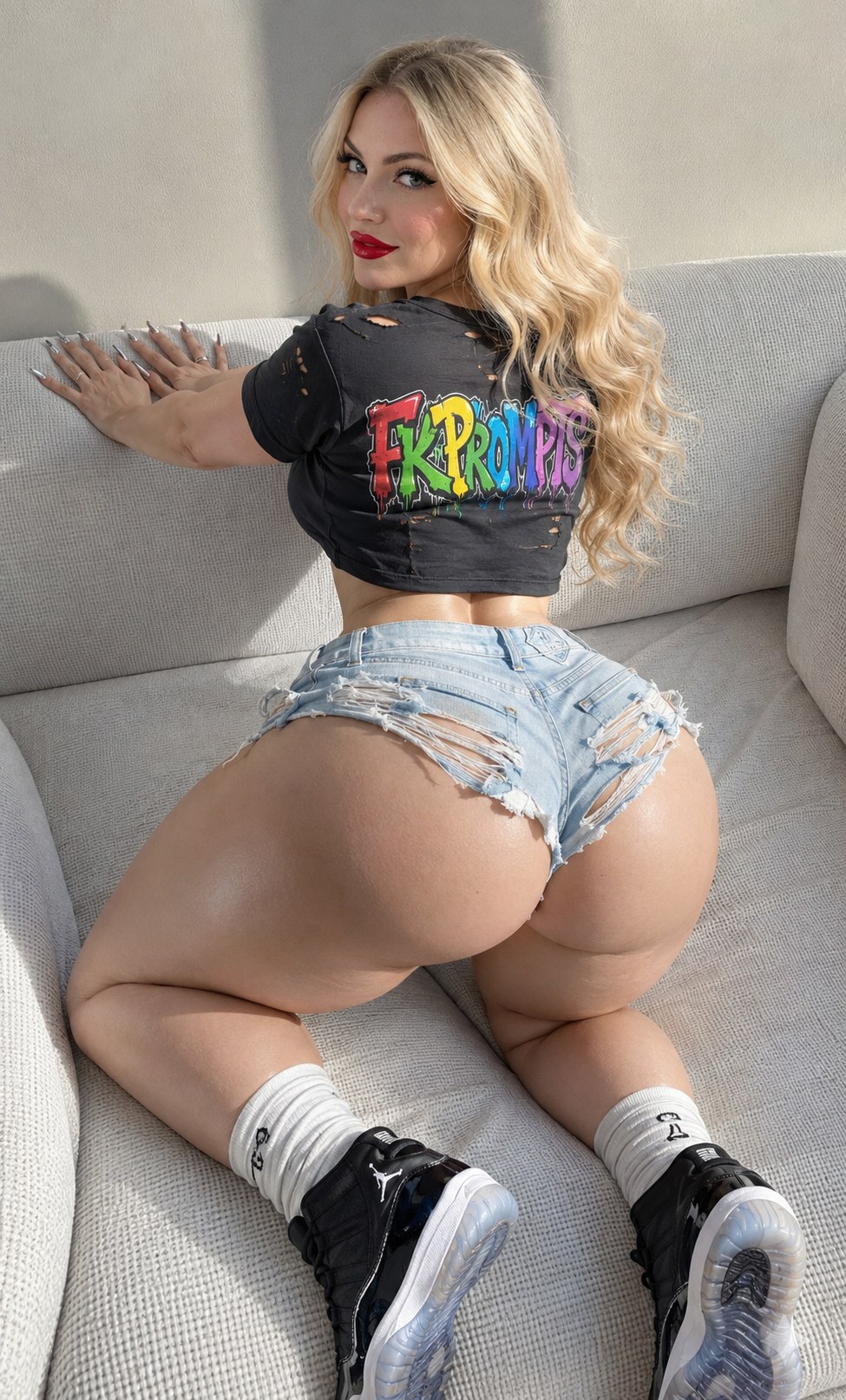
Imagem do prompt Caricatura_pintura_desenhoamaorealista
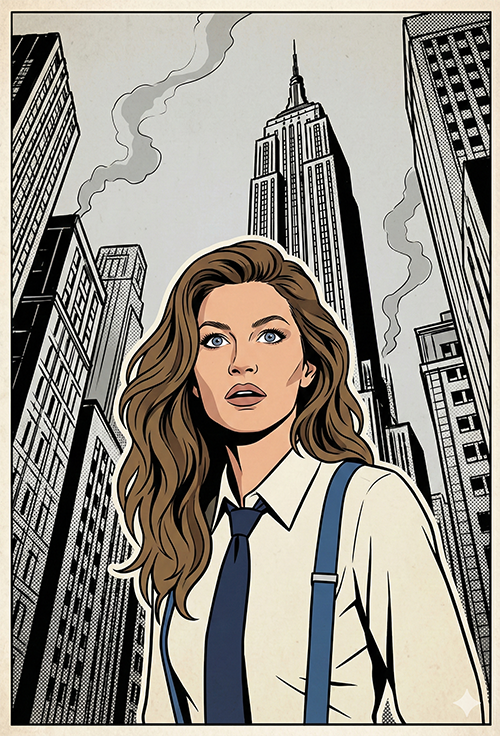
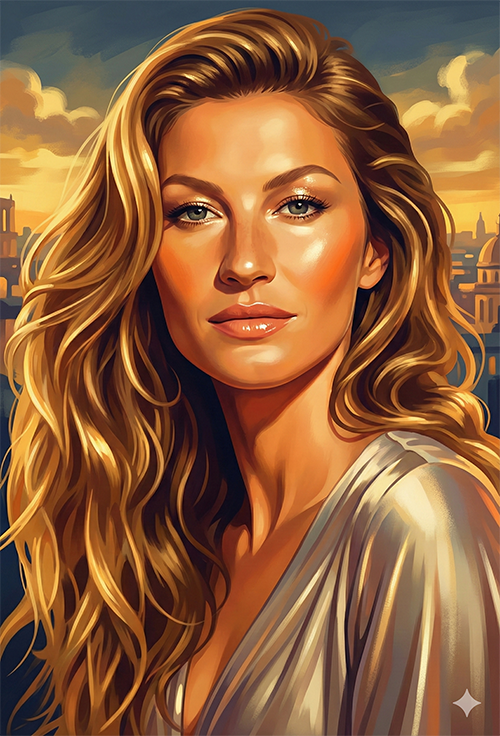
Use this full structured prompt in Nano Banana with your uploaded face photo as the main reference image. ​ Use the uploaded photo as the only and exclusive face and character reference. Keep the person’s identity 100% identical to the uploaded photo: same facial features, bone structure, skin tone, gender, age impression, hairstyle shape, and overall facial proportions. Do not change the person’s gender or make the face younger or older. Preserve the exact facial expression, nose, eyes, lips, jawline, chin, ears, and any unique marks such as moles, freckles, scars, pores, or asymmetries so the face looks exactly like the person in the photo, only translated into the requested illustration style. Create an ultra‑detailed semi‑realistic portrait illustration with a hand‑drawn realism approach. Combine realistic digital painting with clearly visible pencil or graphite sketch lines, especially around the clothing edges, hair outline, and outer borders of the figure. The face should lean more toward realistic painting with subtle sketch accents, while secondary areas like clothing and background can show stronger line work and rougher strokes. Render natural skin tones with warm brown and olive undertones, keeping a believable complexion that matches the person’s real skin tone from the photo. Add subtle highlights on the forehead, bridge of the nose, cheekbones, and lips to suggest soft studio light, with gentle midtones and controlled shadows that respect the real facial structure. Maintain strong emphasis on facial anatomy: fine wrinkles, smile lines, eyelid folds, pores, and realistic skin texture should all remain visible, enhancing the likeness instead of smoothing or beautifying it. Use a soft, raw earth‑tone background painted in thin, layered washes to create high contrast between the subject and the backdrop. Favor muted browns, ochres, and warm neutrals with slight gradations, giving a gallery‑style presentation that feels minimal and sophisticated. Keep the background simple and non‑distracting, with no objects, text, or patterns, so all attention stays on the face and upper body. Lighting and mood: soft, front‑facing studio lighting with delicate, wraparound shadows to enhance depth and realism without harsh contrast. Let the light gently reveal the planes of the face, emphasizing cheekbones, nose, and jawline while keeping the eyes clear and expressive. The overall mood should be minimalist, serious, and emotionally grounded, like an editorial portrait created for a contemporary magazine feature.​ ​ Brushwork and line quality: use sharp yet organic brushstrokes on the face for a polished but still painterly look, with subtle blending of colors on the skin so transitions feel natural and three‑dimensional. In secondary areas such as clothing, hair edges, and background borders, keep visible rough, graphite‑like sketch lines and a slightly unfinished, hand‑drawn feel. This contrast between refined facial rendering and sketchier outer zones should create a contemporary realism aesthetic, sophisticated and art‑gallery ready. Framing and composition: portrait orientation, mid‑shot or close‑up showing at least the head and upper shoulders, with the subject facing slightly toward the viewer or straight on, depending on the reference pose. Center the subject with some breathing space above the head and around the shoulders, maintaining clean negative space. Avoid dynamic angles or extreme perspective; keep a straightforward editorial framing that highlights the person’s expression and features. Negative / avoid: do not change the person’s identity, facial structure, or apparent age. No AI‑smoothed plastic skin, no heavy beauty retouching, no cartoon or anime style, no 3D render, no vector look. No busy background, no props, no logos, no watermarks, no random text in the image. No extreme color grading, no oversaturated neon tones, no harsh rim lighting, no motion blur, and no distortion of facial proportions.
← Voltar para a biblioteca