
Caricatura_pintura_highcontrast black white comic illustration

Imagem do prompt Caricatura_pintura_highcontrast black white comic illustration
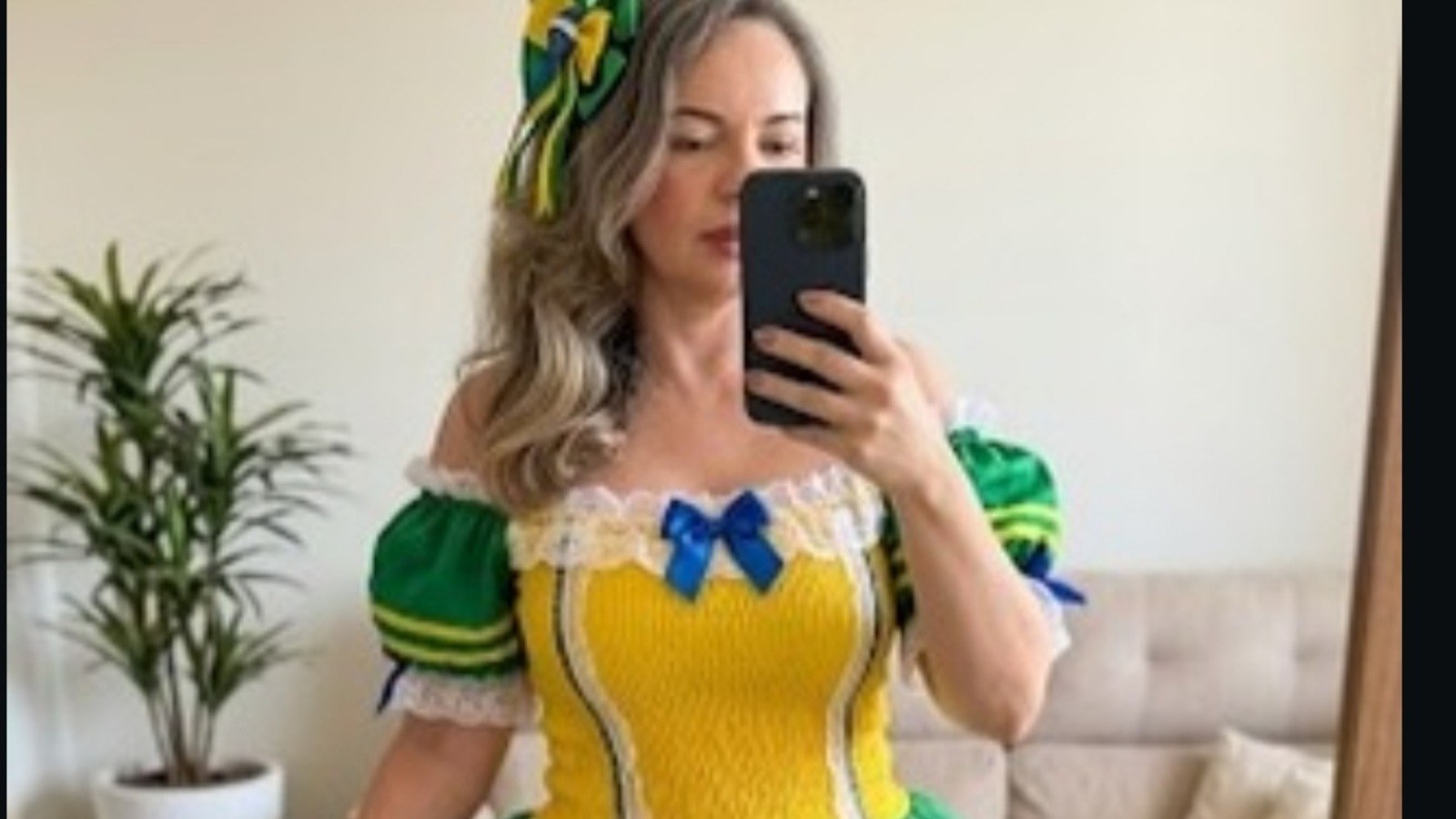
High-contrast black and white comic illustration of the same person from the uploaded photo, using the photo as the primary face and character reference. Keep the identity 100% identical to the uploaded photo: same facial features, bone structure, skin tone translated into grayscale values, gender, perceived age, hairstyle shape, and overall facial proportions. Preserve the exact facial expression, nose, eyes, lips, jawline, and any unique marks such as moles, freckles, scars, and skin texture. Do not make the person younger or older and do not change their gender. Recreate the example image’s crop, head position and composition 1:1: same framing, same face angle, same size of the head in frame, same negative space around the face. The illustration must maintain the same cinematic, noir mood and graphic balance as the example, but with the uploaded face. High-contrast black and white comic illustration, cinematic chiaroscuro lighting, bold graphic ink style, strong deep shadows with dramatic light beams, clean solid black fills combined with crisp white highlights, classic noir atmosphere, detailed line-art with confident inking, controlled cross-hatching for depth, sharp contour outlines with varied line weight, realistic anatomy with semi-stylized proportions, expressive facial structure defined by shadow planes, sculpted features using light and dark contrast instead of color, textured interior background elements in monochrome, vintage graphic novel aesthetic, woodcut-inspired tonal balance, subtle halftone shading accents, gritty yet refined composition, storytelling-focused layout, strong foreground-background separation, matte finish, print-ready comic panel quality, ultra-detailed ink rendering, timeless monochrome illustration style. Add very small selective red accents only: tiny red highlights on one or two background graphic elements (for example, a thin red line, a small symbol, or a tiny red rectangle), and optionally a single subtle red detail on the character’s clothing (such as a small stripe or logo). Keep 95% of the image pure black and white; red must be minimal, precise and not overpower the monochrome noir look. Camera, lens, composition Camera type: illustration mimicking a cinematic portrait shot. Lens: 50mm–85mm equivalent portrait lens, neutral to mild telephoto perspective, no wide-angle distortion. Shot type: match the example shot type (close-up, bust, or mid-shot) exactly; portrait framing with a strong focus on the face and upper body as in the reference. Composition: subject centered or slightly off-center as in the example, eyes at roughly the upper third line, dynamic perspective framing but without extreme fisheye effects. Depth of field: suggested through ink and value; strong focus on the face with background simplified and less detailed. Lighting Lighting style: cinematic chiaroscuro, strong directional key light creating deep black shadows and bright white highlights, high contrast. Key light: sharp-edged light source from a defined direction (e.g., side/top), carving the facial planes and casting dramatic shadows. Fill and rim: minimal fill light to preserve deep shadows; optional subtle rim light indicated by fine white contours against black areas. Light beams: visible shafts of light or implied beams cutting through the scene using stark value shapes, consistent with noir atmosphere. No soft, flat lighting; emphasize drama through bold light and shadow patterns.​ Environment / background Background: monochrome textured interior or architectural elements rendered in black and white with cross-hatching and solid blacks. Use simplified furniture, windows, beams, or structural shapes to create depth, but keep detail secondary to the face. Strong foreground-background separation: face and body rendered with highest detail and contrast; background slightly more abstract, with broader shapes and less micro detail. Subtle halftone or stipple textures in selected areas to add vintage graphic novel feel, without overpowering the main figure. Red accents in the background must be tiny and controlled: for example, one small red line, a tiny red indicator, or a small red panel edge. Style and rendering Style: bold graphic ink, classic noir comic / graphic novel aesthetic with woodcut-inspired tonal balance. Line art: confident inking, sharp contour lines with varied line weight (thicker in shadow, thinner in light), extremely clean edges. Shading: controlled cross-hatching and/or parallel hatching to describe form and midtones, denser lines for darker areas, sparse lines in highlights. Tonal strategy: rely on pure black and pure white with limited gray created by hatch density; avoid smooth digital gradients. Red: only small, precise accent shapes; no large red areas, no gradients, no red glow. Finish: gritty yet refined composition, ultra-detailed ink rendering, ready for print as a comic panel or cover. ​ Clothing and character details Clothing: replicate the clothing type, folds and silhouette implied by the original photo (or example image) but rendered in noir comic style: strong blacks, sharp folds, and hatching. Use solid black fills in large shadow areas of the clothing, with crisp white edges and selective cross-hatching for form. Optionally add a single very small red accent on the clothing (for example, a tiny logo, a small stripe, or a little tag), but keep the rest of the outfit strictly black and white. Maintain realistic anatomy and proportions, only slightly stylized to fit classic noir comics; no caricature. Quality and output constraints Quality: ultra high resolution, extremely sharp linework, no blur, no noise, print-ready comic illustration. Color: strictly black and white plus minimal red accents only, no other colors. Single character only (the person from the uploaded photo), no extra people in the frame. No text, logos, speech balloons, sound effects, or UI elements unless intentionally added later in design. Negative prompt blurry, low-resolution, pixelated, noisy, out of focus, soft sketch, unfinished linework, messy or wobbly lines, thick uncontrolled strokes, cartoonish caricature, anime or manga screen-tone look, 3D render, photorealistic grayscale photo, airbrushed gradients, smooth digital shading, oversoft painterly style, low contrast, flat lighting, washed-out shadows, random gray fog, fisheye lens, extreme wide-angle distortion, warped facial anatomy, changed age, younger, older, changed gender, wrong skin tone mapping, different hairstyle, different facial hair, extra limbs, extra eyes, distorted hands, cluttered background with too many props, bright multicolor palette, more than one or two red accent areas, large red shapes, red gradients, neon effects, lens flares, watermarks, logos, text captions, speech bubbles, UI chrome, frames or borders.
← Voltar para a biblioteca