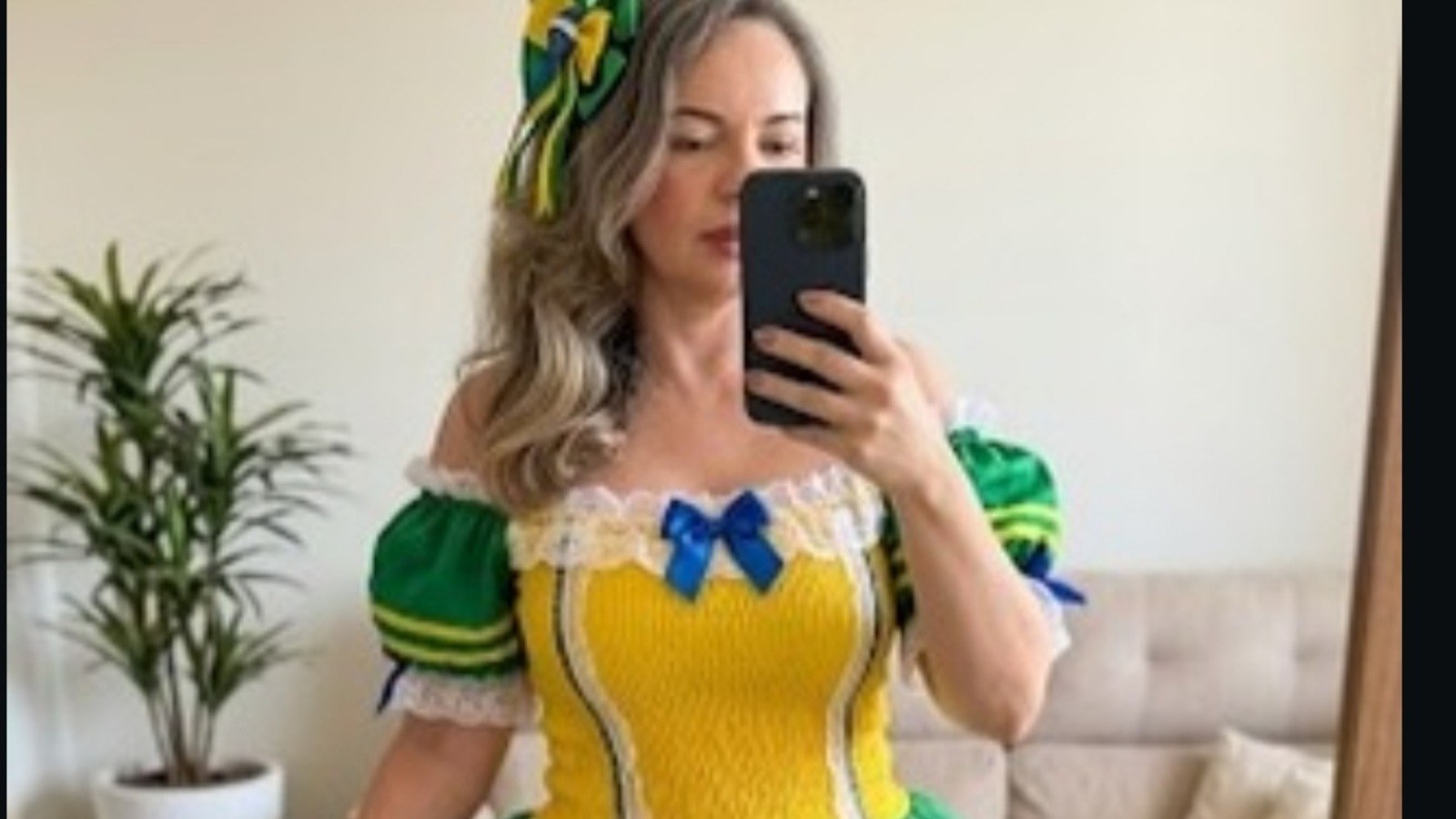
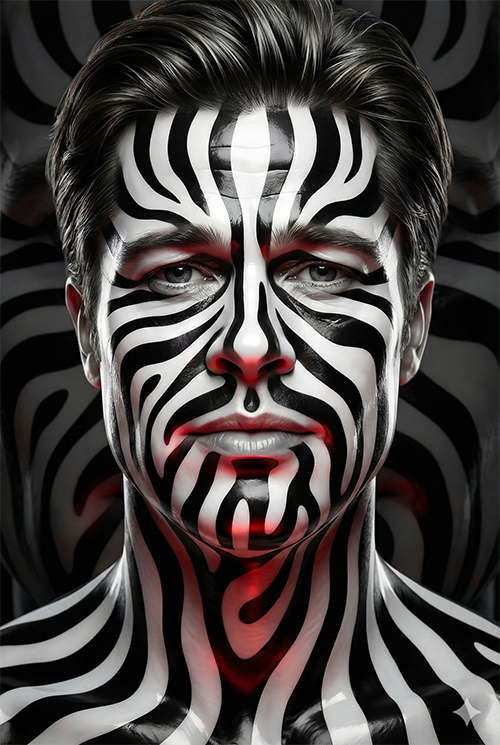

Cidades_version nano banana face hair

Imagem do prompt Cidades_version nano banana face hair
Use this version in Nano Banana so face, hair, gender and T‑shirt color #FFCC00 are locked consistently for both the human and the miniature. Use the uploaded image as the single and exact facial, hair and identity reference. Preserve 100% of the person’s real facial structure and identity: keep the same bone structure, facial proportions, eye shape and distance, eyelids, eyebrows, nose shape, lips and mouth shape, jawline, cheekbones, chin, ears, and natural skin tone family. ​ Do not change the gender, age category, or ethnicity; do not beautify, slim, or stylize the main human face into a different person. ​ Keep the same hairstyle family, hair length, hairline, hair volume, direction and overall haircut silhouette from the photo; do not shorten, lengthen, straighten, curl, recolor or restyle the hair into a different haircut. Facial hair must also match exactly (beard, mustache, stubble pattern, density and shape) and must stay the same gender expression as the reference photo. ​ Concept and subjects Create a hyper realistic studio portrait that blends a fully photorealistic human rendering with a whimsical 3D miniature character, both sharing the exact same facial identity, same hairstyle and same gender as in the uploaded photo. ​ Both the real human and the miniature character must clearly look like the same person from the uploaded photo, with matching facial features, identical hairstyle family and identical gender presentation. The miniature character is a stylized, high‑quality 3D version of the same face, not a different person. ​ Primary subject – human Face: Identical to the uploaded reference photo, with perfect likeness. Skin: Photorealistic with natural texture, pores, micro‑details and subtle imperfections. Hair: Match the uploaded reference exactly in cut, direction, density, color and overall silhouette. Facial hair: Match the uploaded reference exactly (shape, density, pattern). Expression: Soft, warm smile. Gaze: Looking down at the miniature character resting on the fingertips. Wardrobe: Simple #FFCC00 T‑shirt, realistic fabric folds and texture. ​ Secondary subject – miniature character Type: Tiny 3D cartoon / stylized version of the same person from the photo. Face identity: Must be the exact same face identity as the main subject, scaled down but clearly recognizable. Scale: Miniature, standing or sitting on the fingertips of the human’s hand. Style: High‑quality Pixar‑like 3D character, polished and appealing. Proportions: Cute and slightly exaggerated body, but facial features remain recognizable and aligned with the real person. Eyes: Slightly larger and more stylized, but keep the same eye shape, spacing and general structure. Expression: Friendly, playful and joyful, interacting with the human. Hair and outfit: Same hairstyle (same cut, direction, volume and color) and same #FFCC00 T‑shirt as the main subject, simplified but clearly matching; do not change the hairstyle or gender expression. ​ Composition and camera Framing: Close‑up studio portrait focusing on the human’s face, upper torso and the hand holding the miniature on the fingertips. Orientation: Portrait orientation, aspect ratio 2:3. Focus: Ultra‑sharp focus on both faces (human and miniature) with no blur on their facial features. Depth of field: Shallow depth of field with soft background blur, keeping background smooth and unobtrusive. Balance: Clean, centered composition emphasizing the interaction and eye line between real and miniature versions. ​ Lighting and mood Lighting style: Soft cinematic studio lighting, like a professional portrait session. Highlights: Gentle, controlled highlights on skin and on the miniature character’s surfaces, avoiding specular blowouts. Shadows: Smooth, soft shadows that define form without harsh contrast. Background: Dark neutral backdrop (charcoal gray, deep neutral), evenly lit and slightly blurred to keep attention on the subjects. Mood: Warm, modern, whimsical and charming, with a subtle magical feeling but grounded in realism. ​ Art direction and style fusion Style fusion: Photorealistic human combined with a stylized 3D miniature twin in the same frame. Detail level: High detail and clean textures on both characters (skin, hair, clothing, 3D materials). Realism balance: Human: fully realistic, photographic quality. Miniature: stylized 3D, but clearly the same person, with accurate facial structure, same hairstyle and same gender expression. Avoid any mismatch where the miniature looks like a completely different character or a different gender. ​ Photography look and quality Genre: Professional studio portrait photography. Lens look: 85 mm portrait perspective (compresses features slightly, flattering bokeh). Image quality: Ultra high resolution, very sharp and clean, no noise, no compression artifacts. Color palette: Natural skin tones with soft, modern colors; neutral, tasteful saturation. Contrast: Balanced contrast with smooth tonal transitions and subtle cinematic grading. ​ Cleanup and restrictions Background must stay clean and simple, with no clutter, no props besides the human and the miniature. Do not add logos, watermarks, UI, random text, or extra characters. ​ Negative prompt (paste in “Negative Prompt”) Do not change the face, do not change the hairstyle family, do not change the gender, do not create a different identity, do not swap the face with another person. Do not cartoonize or stylize the main human face; keep the human fully realistic. Avoid uncanny valley, creepy expressions, distorted anatomy, warped facial features, extra eyes, extra fingers or deformed hands. Avoid harsh lighting, blown‑out highlights, deep black shadows, oversaturation, neon color grading, or heavy HDR effects. Avoid blur on the faces, low detail, pixelation, noise, messy or chaotic composition. No anime style, no 2D flat cartoon look, no low‑quality 3D, no clay render, no plastic toy shaders. No text, logos, watermarks, brand marks, or UI elements anywhere in the image. ​
← Voltar para a biblioteca