Dramatico
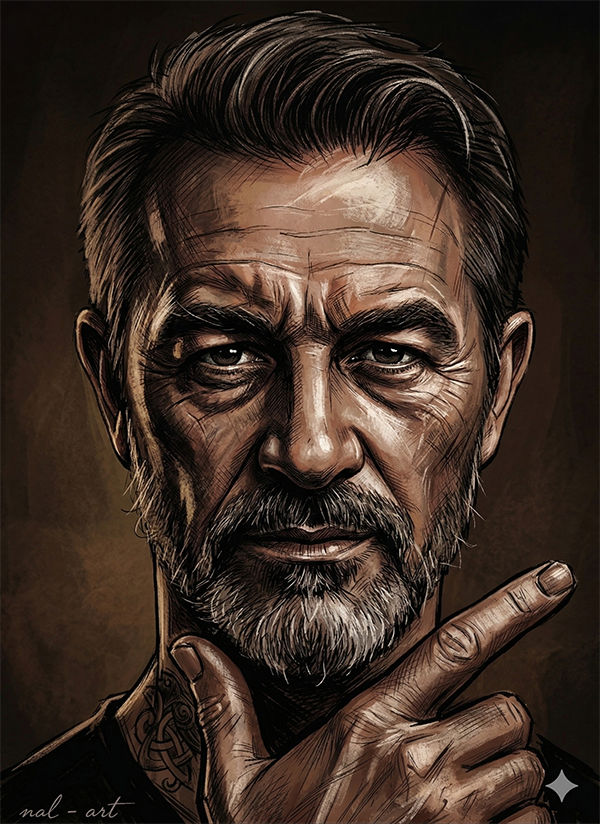
Using my uploaded reference photo as the primary face reference, keep the person’s identity 100% identical to the original image: same facial features, bone structure, skin tone, gender, perceived age, hairstyle shape and overall facial proportions, with no age‑regression or aging. Preserve the exact facial expression, nose, eyes, lips, jawline and any unique marks such as moles, freckles, scars or skin texture, as if it were the same person captured again, only restyled. Create a dramatic Shonen anime illustration of this same person: bold, confident linework, expressive facial features, intense eyes and eyebrows, and a strong, emotional expression, while keeping the underlying likeness clearly recognizable.
Restyle the portrait into a modern Shonen manga look with clean but powerful outlines, cel‑shaded coloring, and gritty texture overlays for extra drama. Use a cinematic 4:5 composition with a slightly dynamic camera angle (subtle low or three‑quarter view), as if this were a key visual or poster frame from a modern Shonen anime. The overall image should convey high emotional impact, tension and determination.
Lighting
Use dramatic, high‑contrast Shonen lighting: strong key light from one side of the face, casting bold cel‑shaded shadows across the opposite side, especially over the eyes, cheekbones and jawline. Add rim light or backlight along the hair and shoulders to separate the character from the background, creating a powerful, cinematic edge light. Keep the background relatively dark and simple, with subtle gradients and textured grunge, so the lit face and eyes become the main focal point, like an anime climactic scene.
Camera, lens and composition
Use a cinematic 4:5 vertical composition focused on a bust or half‑body shot: frame from the chest or shoulders up, with the face large in the frame and slightly tilted or angled to enhance dynamism. Simulate a natural portrait lens equivalent (around 50–85 mm) so the proportions remain close to the real photo, avoiding extreme wide‑angle distortion, as if this were an anime frame carefully composed from a live‑action reference. Keep the character centered or slightly off‑center with some breathing room above the head for a true manga/anime key‑art feeling.
Style and detail
Modern Shonen anime style: bold, confident linework with varied line weight (thicker contour lines, finer inner lines), clean cel‑shading with 2–3 tones per area, and sharp, graphic shadows. Eyes should be highly expressive and intense, with clear highlights and dark pupils, becoming the emotional core of the image. Add gritty texture and subtle grain over the flat cel shading (ink splatters, noise, light scratches) to give the illustration a raw, dramatic feel without breaking the anime look. Use a strong but controlled color palette inspired by the original skin tone and hair color, slightly stylized for anime but not completely changed, so the person is still clearly the same character.
Negative prompt
different person, altered identity, changed gender, younger or older face, modified nose, eyes, lips or jawline, different hairstyle, different skin tone, missing or altered moles, freckles or scars, chibi style, super‑deformed proportions, kawaii pastel look, Western comic style, hyper‑realistic painting, 3D CGI render, plastic toy look, flat minimal vector art, watercolor wash, low‑contrast lighting, flat lifeless lighting, cluttered background with many props, bright detailed scenery dominating the frame, text bubbles, UI, logos, big typographic titles, watermarks, frames, low resolution, blurry lines, pixelation or compression artifacts.
Restyle the portrait into a modern Shonen manga look with clean but powerful outlines, cel‑shaded coloring, and gritty texture overlays for extra drama. Use a cinematic 4:5 composition with a slightly dynamic camera angle (subtle low or three‑quarter view), as if this were a key visual or poster frame from a modern Shonen anime. The overall image should convey high emotional impact, tension and determination.
Lighting
Use dramatic, high‑contrast Shonen lighting: strong key light from one side of the face, casting bold cel‑shaded shadows across the opposite side, especially over the eyes, cheekbones and jawline. Add rim light or backlight along the hair and shoulders to separate the character from the background, creating a powerful, cinematic edge light. Keep the background relatively dark and simple, with subtle gradients and textured grunge, so the lit face and eyes become the main focal point, like an anime climactic scene.
Camera, lens and composition
Use a cinematic 4:5 vertical composition focused on a bust or half‑body shot: frame from the chest or shoulders up, with the face large in the frame and slightly tilted or angled to enhance dynamism. Simulate a natural portrait lens equivalent (around 50–85 mm) so the proportions remain close to the real photo, avoiding extreme wide‑angle distortion, as if this were an anime frame carefully composed from a live‑action reference. Keep the character centered or slightly off‑center with some breathing room above the head for a true manga/anime key‑art feeling.
Style and detail
Modern Shonen anime style: bold, confident linework with varied line weight (thicker contour lines, finer inner lines), clean cel‑shading with 2–3 tones per area, and sharp, graphic shadows. Eyes should be highly expressive and intense, with clear highlights and dark pupils, becoming the emotional core of the image. Add gritty texture and subtle grain over the flat cel shading (ink splatters, noise, light scratches) to give the illustration a raw, dramatic feel without breaking the anime look. Use a strong but controlled color palette inspired by the original skin tone and hair color, slightly stylized for anime but not completely changed, so the person is still clearly the same character.
Negative prompt
different person, altered identity, changed gender, younger or older face, modified nose, eyes, lips or jawline, different hairstyle, different skin tone, missing or altered moles, freckles or scars, chibi style, super‑deformed proportions, kawaii pastel look, Western comic style, hyper‑realistic painting, 3D CGI render, plastic toy look, flat minimal vector art, watercolor wash, low‑contrast lighting, flat lifeless lighting, cluttered background with many props, bright detailed scenery dominating the frame, text bubbles, UI, logos, big typographic titles, watermarks, frames, low resolution, blurry lines, pixelation or compression artifacts.