
Efeitos_vintagecutout

Imagem do prompt Efeitos_vintagecutout
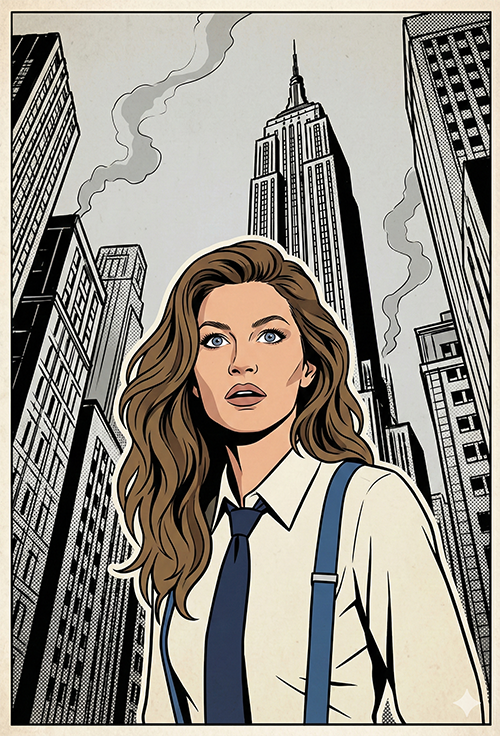
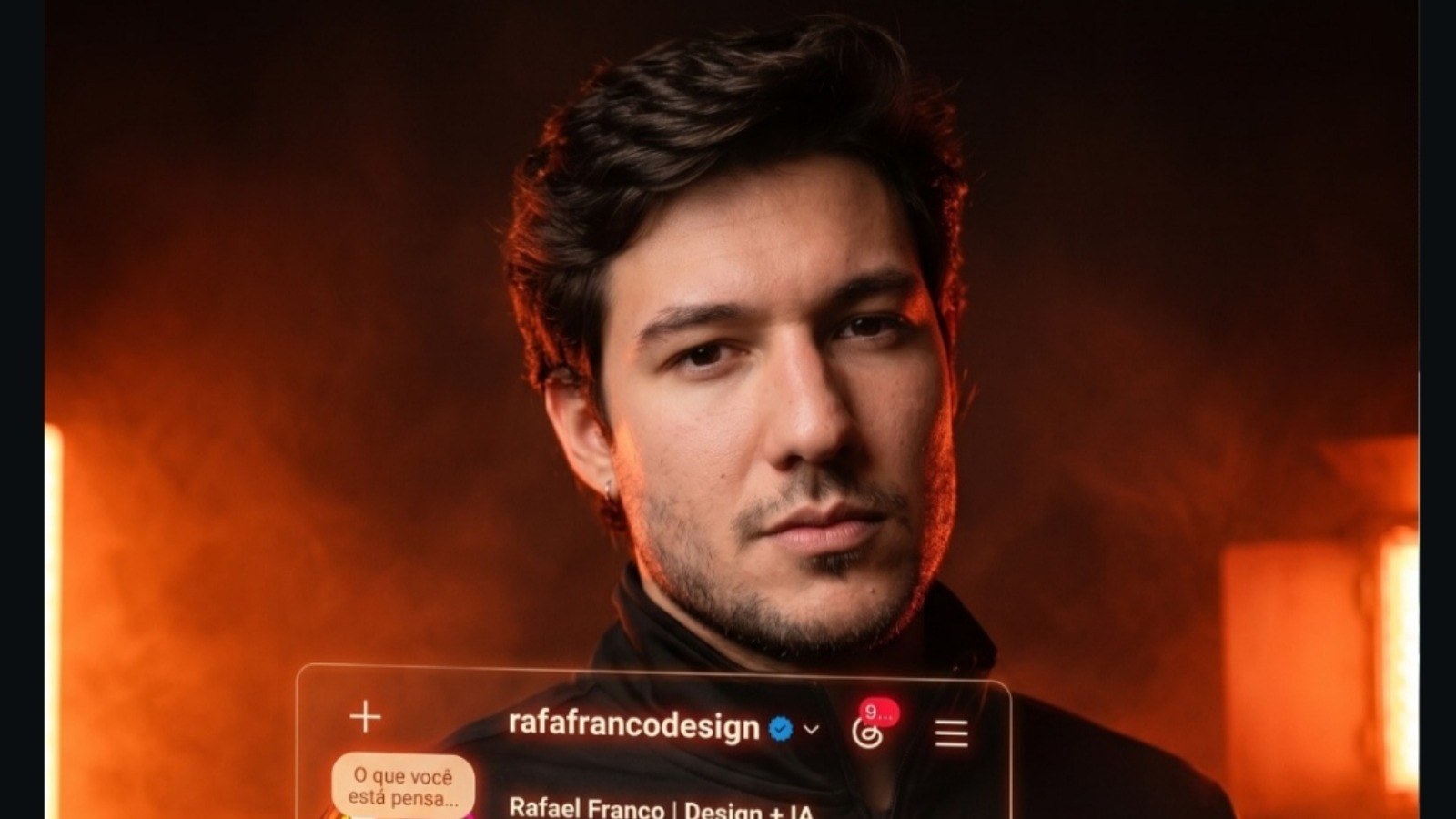
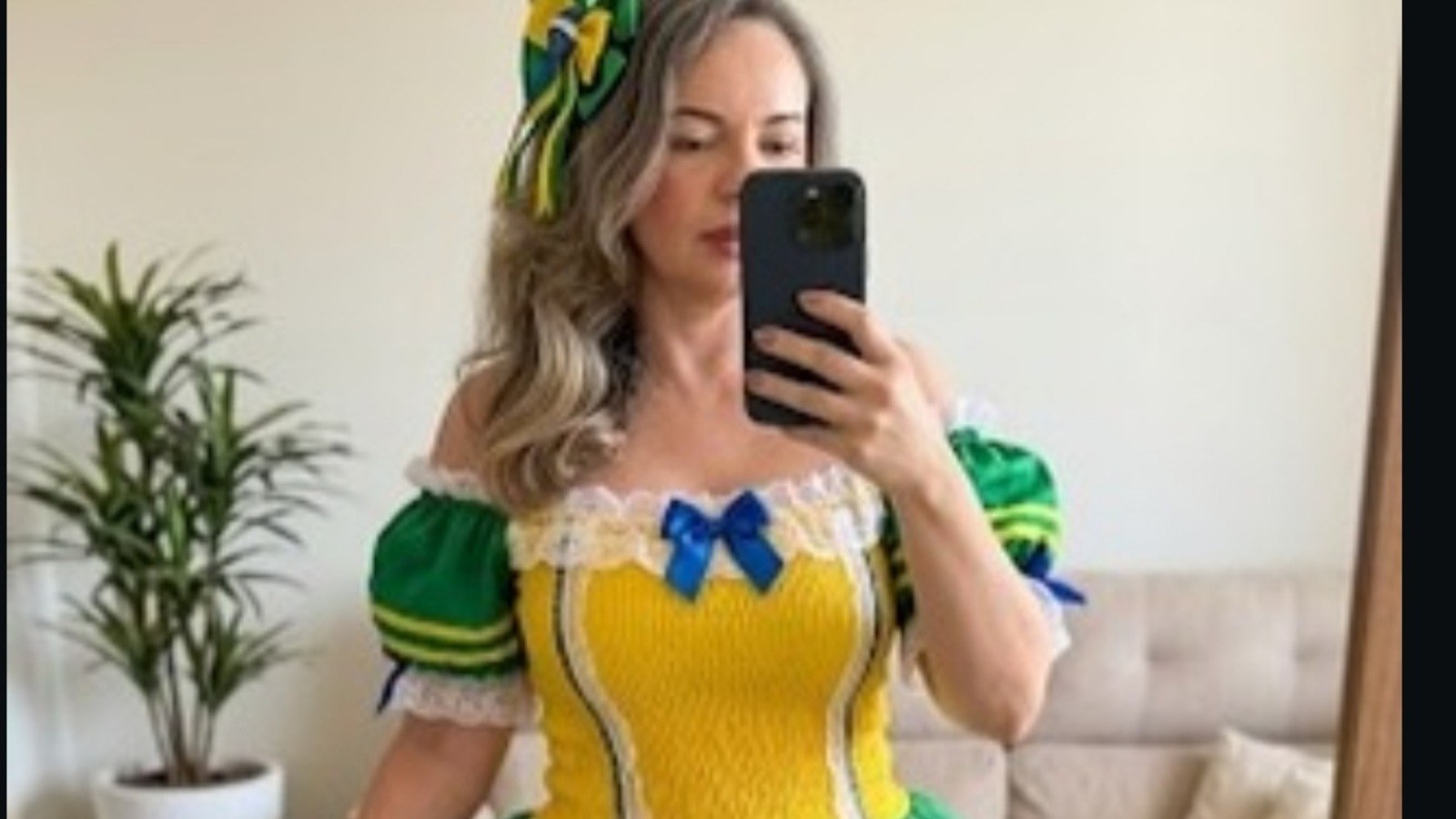
Use this full structured prompt in Nano Banana with your own photo as input. IMAGE INPUT – IDENTITY SOURCE Use the uploaded photo as the ONLY and EXCLUSIVE identity reference. The generated character must clearly be the same real person from the uploaded photo, not a generic model or a different person.​ IDENTITY LOCK – 100% FACE, HAIR, GENDER Preserve 100% of the person’s real appearance from the uploaded photo: Same facial structure and proportions, head shape, skull geometry, jawline, chin, cheekbones, neck thickness, and real age (no de‑aging or aging). ​ Same eye shape and spacing, eyelids, eyelashes, eyebrows, nose shape, lips shape and volume, and the same characteristic facial traits, only adapted into bold cut‑out comic shapes.​ Natural skin tone and undertones translated into a stylized but accurate color palette, still clearly matching the real person’s complexion and ethnicity. ​ Hair: keep the exact same hairstyle, hair length, hair volume and hairline as in the photo, but remove the glasses entirely; no eyewear of any kind. ​ Gender: keep the same gender presentation as in the original photo; do not feminize a masculine face or masculinize a feminine face; do not change ethnic traits. ​ No beautification, no slimming, no face swap, no mixing with other faces, no averaged or generic features.​ The viewer must instantly recognize that this colored cut‑out character is the same person from the original photo, just stylized and placed into a comic‑book city scene. ​ CORE CONCEPT – COLOR CUTOUT CHARACTER, B&W CITY Create a composition where only the main character is in color and cutout style, while the entire environment and background city are black and white.​ CHARACTER – COLORED CUTOUT STYLE The person from the photo becomes a male character with brown hair, looking directly at the viewer with a shocked and bewildered expression. ​ Expression: wide eyes, raised eyebrows, open or tense mouth, clearly conveying surprise and disbelief. ​ Remove the round glasses from the original description: the character must appear without any glasses. ​ Outfit (in color): white collared shirt, navy blue tie and blue suspenders, rendered with flat or slightly shaded color blocks like paper cutouts layered on top of each other. ​ Use a cutout style for the character: Clean, sharp silhouette edges, as if the character was cut from colored paper and placed over the background. Large, simple color shapes for skin, hair and clothing, with minimal gradients and limited shading.​ Bold, dark outlines around the character and facial features to preserve the comic feeling. ​ CAMERA ANGLE AND POSE Low‑angle worm’s‑eye view, as if the camera is on the street looking up at the character and the skyscrapers. ​ The character’s head and upper torso dominate the foreground; perspective lines of the buildings rise behind him, enhancing drama and depth. ​ BACKGROUND – BLACK AND WHITE CITYSCAPE All buildings, sky and environmental elements must be strictly black and white (no color), using inked outlines, grayscale fills and halftone textures.​ Background: towering skyscrapers leaning inward toward the center of the frame, drawn in bold black linework and grayscale patterns. ​ Teal sky from the original description is now adapted as grayscale: light gray sky with wispy white smoke/cloud shapes against darker gray building silhouettes. ​ Apply Ben‑Day dots, stippling or screentone patterns only in black/gray to shade buildings and sky, keeping the environment fully monochrome.​ COLOR VS MONO CONTRAST The only colored elements in the entire image must be the character’s skin, hair and clothing in cutout style. Everything else (buildings, sky, clouds, smoke, street elements) stays black, white and gray.​ This creates a strong visual separation where the character pops out like a colorful sticker or cutout pasted over a classic black‑and‑white comic page. ​ COMIC / PRINT AESTHETIC Overall look: high‑quality vintage comic book illustration combined with modern cutout character styling.​ Background linework: thick and confident black ink lines, with monochrome halftones and screentones for shading. ​ Slight paper texture visible across the entire frame, with a hint of aged comic print feel (subtle grain, minimal edge wear), while keeping the image crisp. ​ COLOR PALETTE – CHARACTER ONLY Use a muted but still readable color palette for the character: Skin: natural, slightly desaturated tones. Hair: medium to dark brown with simple shadow shapes. Shirt: off‑white; tie: navy blue; suspenders: medium blue. ​ Keep colors flat or with very simple shading, consistent with a paper cutout or flat cel style, avoiding complex digital gradients. ​ COMPOSITION AND FORMAT Vertical single‑panel composition. Character in the center or slightly off‑center, clearly separated from the black‑and‑white background by color contrast and cutout edges. ​ Skyscrapers and street perspective lines lead the viewer’s eye toward the character’s face. ​ RENDERING QUALITY High‑resolution, clean linework and sharp edges on the cutout character. ​ Clear separation between colored foreground character and monochrome background; no color contamination in the city or sky. ​ Maintain full facial likeness and hairstyle from the reference photo, even after stylization.​ ​ NEGATIVE PROMPT (RECOMMENDED) photorealistic rendering, 3D CGI, full‑color background, colored buildings, colored sky, glasses, sunglasses, anime style, manga style, chibi, hyper‑saturated neon palette, soft airbrushed gradients, painterly oil style, messy low‑res halftones, wrong face, different person, changed gender, changed age, changed ethnicity, missing tie or suspenders, grayscale character, colored background, blurred lines, heavy noise, watermark, logo, UI elements, speech bubbles or extra text.
← Voltar para a biblioteca