
Efeitos_watercolourfashion

Imagem do prompt Efeitos_watercolourfashion
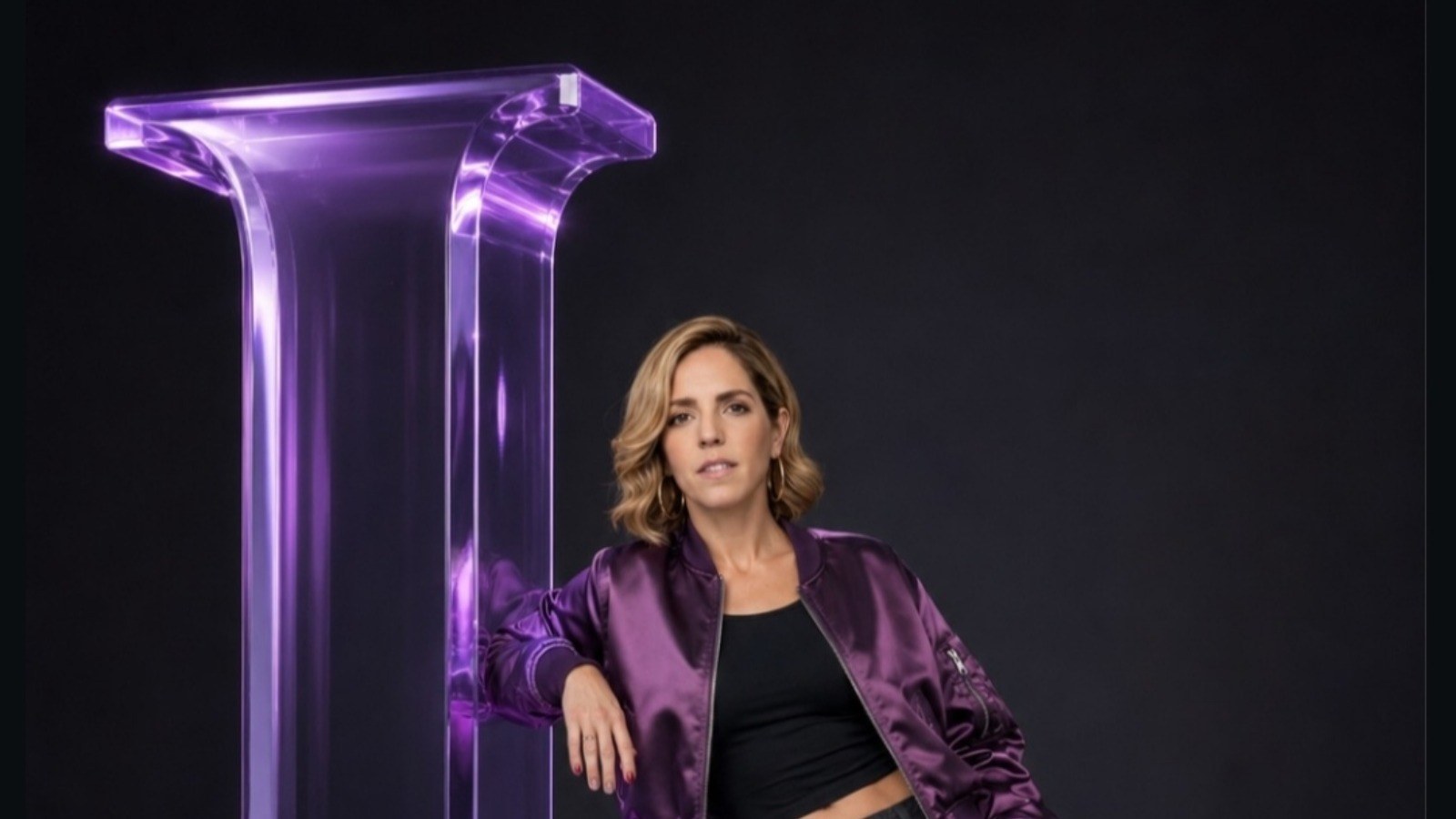
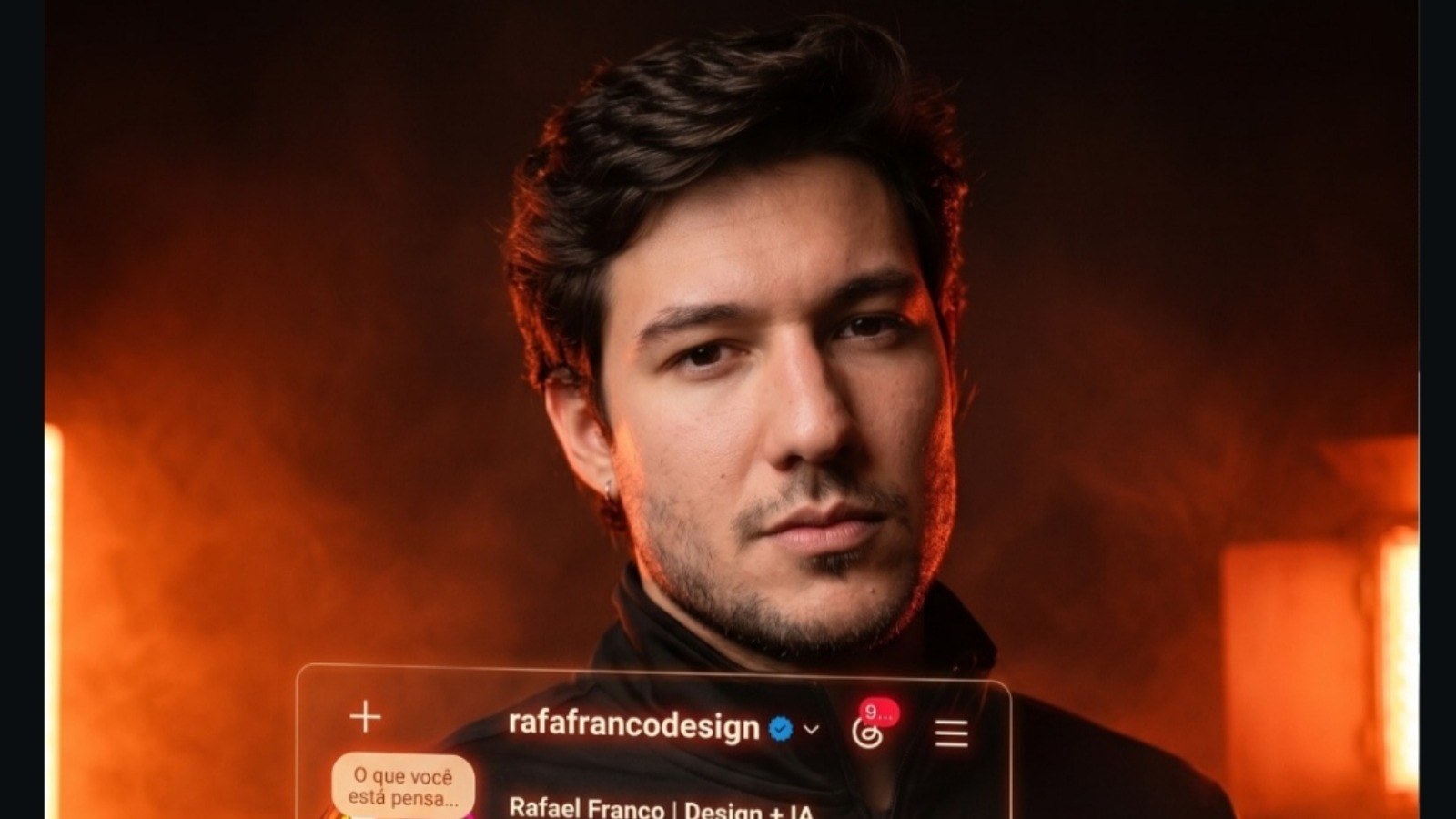
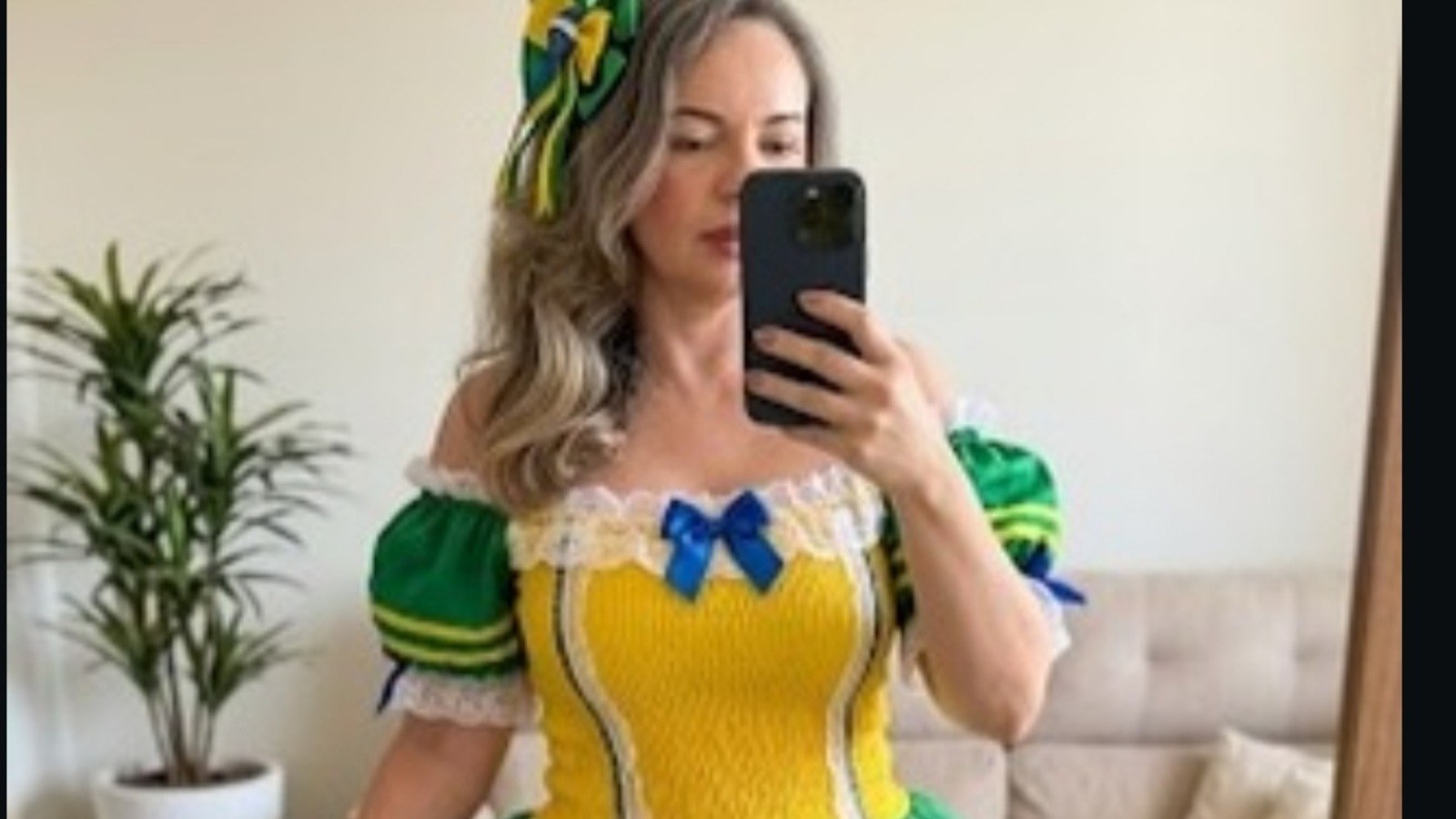
Identity Lock – face, hair, gender (100% from photo) Use the uploaded image as the single and exact identity reference. Preserve 100% of the person’s real facial structure and identity: keep the same bone structure, facial proportions, eye shape and distance, nose shape, lips and mouth shape, jawline, cheekbones, chin, ears, and natural expression. Do not change the gender, age category, or ethnicity; do not beautify, slim, or stylize the face into a different person. Keep the same hairstyle family, hair length, hairline, hair volume, and overall haircut silhouette from the photo; only stylize the hair inside the illustration style without changing the fundamental cut or gender expression. Core style and composition Create a realistic concept art illustration that combines watercolor‑illustrated fashion character designs with hand‑drawn sketch overlays, all based on the person from the uploaded photo. Show full‑body character poses of this person in a thin black outline style with uneven watercolor coloring, arranged like a professional character design sheet. Include a mix of: Full‑body poses in thin black line art with loose watercolor fills. Close‑up views of the face and key details with more refined watercolor rendering and thin black outlines. Background and layout Use a clean studio setting with a subtle background made of super‑thin, translucent beige checkered lines, like a light layout grid on paper. Organize the characters and close‑ups across the page like a fashion or game character design sheet: clear layout, good spacing, and readable negative space around each figure. Keep the overall composition clean, uncluttered, and easy to read, with realistic proportions and no anime exaggeration. Rendering, lighting and materials Use soft, natural lighting that feels like a real studio or daylight, with gentle shadows and subtle highlights on skin and fabric. Render fabrics with accurate texture: believable cotton, denim, leather, or knit, showing folds, seams and weight while staying in watercolor / semi‑realistic illustration style. Balance realistic skin details and fabric depiction with loose, uneven watercolor washes so it clearly reads as painted illustration, not photorealistic photography. Sketch overlays and notes Overlay loose graphite pencil sketches, gesture drawings and construction notes around the figures, in monochrome gray pencil style. The sketch elements should look rough and exploratory, contrasting with the more carefully painted watercolor figures, reinforcing the concept art / work‑in‑progress feeling. Keep sketches clearly secondary so they do not hide or distort the main portrait likeness and key poses. Color palette and mood Use a natural, earthy color palette: olive green, beige, denim blue, dull brown, faded orange, and soft skin tones. Apply watercolor with slightly uneven edges, small blooms and overlaps, preserving a hand‑painted, traditional illustration feel. Overall mood: cinematic, down‑to‑earth, and modernly adventurous, suitable for game art, film character development, or fashion concept illustration. Technical / framing Ultra high resolution, crisp line work, and clean composition. Realistic human proportions based on the real person in the photo; no anime proportions, no chibi, no exaggerated fantasy anatomy. Keep the character clothing semi‑realistic and slightly stylized, always reading as concept art rather than full photorealism. Remove elements Do not add logos, UI, watermarks, random text blocks, or brand marks. Do not add excessive fantasy features, wings, horns, glowing magic, or sci‑fi implants; keep grounded, stylish and realistic. Negative prompt (paste in “Negative Prompt”) Photorealistic rendering, hyper‑smooth or plastic skin, heavy airbrushing, anime, manga, cartoon style, chibi, big‑eye stylization, low detail, blurry, pixelated, noisy, overexposed, washed out, flat colors, oversaturated neon colors, excessive realism that looks like a photo, 3D render look, CGI, clay model, AI artifacts, glitches, warped anatomy, distorted facial features, incorrect proportions, bulky fantasy armor, exaggerated fantasy features, harsh vector outlines, bold comic inking, messy text, logos, watermarks, UI elements.
← Voltar para a biblioteca