Esculpido_na_pedra
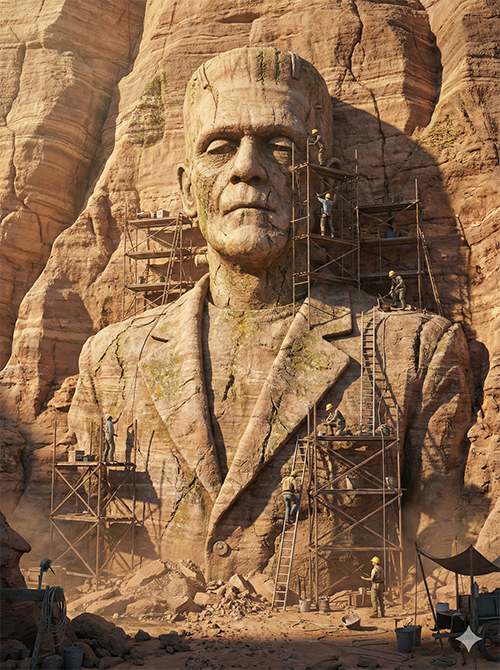
Transform the uploaded image into a large-scale archaeological excavation discovery where the subject is a massive monument carved directly into the surrounding rock formation at an active dig site. Use the uploaded photo as the primary face and character reference. Keep the person’s identity 100% identical to the uploaded photo: same facial features, bone structure, skin tone, gender, perceived age, hairstyle shape and overall facial proportions. Do not change the person’s gender or age impression. Preserve the exact facial expression, nose, eyes, lips, jawline and any unique marks such as moles, freckles, scars or skin texture patterns. The viewer must instantly recognize the original person.
The subject must keep the same pose, silhouette, clothing design and overall composition from the original image, but fully converted into rock. Do NOT redesign the subject, do NOT change the costume era, do NOT stylize into cartoon. Identity, pose, gesture, clothing shapes, proportions and perspective remain intact; only material and environment change.
Stone monument conversion
Reconstruct the entire subject as a colossal monument carved from the same stone as the surrounding excavation site. The subject is not placed on top of rock; the subject is literally part of the cliff or canyon wall, fused into the geology.
Convert every part of the subject into geological material:
carved sedimentary rock
chiseled sandstone
layered limestone
fractured cliff stone
eroded mineral surfaces
No paint, no metal, no plastic, no fabric. Everything becomes rock.
Clothing folds become carved stone ridges and layered planes. Hair becomes rock ridges, stratified layers and chipped stone strands. Skin becomes smoother but still weathered stone surfaces, with subtle erosion. Nothing should look like polished marble or a modern clean sculpture. It must feel ancient, eroded and recently uncovered.
Geological surface details
Cover all surfaces with realistic geological behavior and age:
erosion patterns along edges and protrusions
visible sediment layers and stratified bands
small mineral veins and color variations (ochre, tan, rust, gray, desaturated earthy tones)
tool chisel marks where stone was shaped
weathered cracks, chips and broken corners
micro-fractures along cheeks, clothing folds and hair ridges
dust and sand packed into crevices and shadowed areas
partially buried parts of the monument, with some areas still emerging from the rock
The monument must look like it has been there for centuries, not sculpted recently.
Integration with the environment
The monument is physically fused to a canyon wall or massive rock face. The cliff wall flows seamlessly into the carved subject: rock layers continue through the body, face and clothing shapes. Some parts are still embedded in raw rock, especially around the edges, base and deeper recessed areas.
There is no pedestal and no separate statue. No floating object. The subject is carved directly into the cliff itself. Sections of the subject may still be half-buried or obscured by rock and dust, with excavation in progress revealing more of the monument.
Archaeological excavation scene
Build a realistic, large-scale excavation site around the rock-carved subject:
scaffolding and wooden platforms climbing up the cliff in front of the monument
ropes, harnesses, ladders and support beams attached to the rock
digging tools such as shovels, brushes, pickaxes and buckets scattered on the ground
workers in hard hats and safety vests moving around, standing on scaffolding or at the base, appearing small to emphasize the monument’s massive scale
dust in the air, floating particles in light beams
survey markings painted or chalked on the rock near the monument
floodlights, cables and maybe a few tarps or shade cloths used by the dig team
The workers must be much smaller than the carved subject, clearly conveying that this is a gigantic rock monument.
Lighting and atmosphere
Use natural dig-site lighting with a documentary feel:
warm canyon sunlight entering from above or from one side
volumetric dust beams cutting through the air
soft ambient bounce from the surrounding rock walls
realistic shadows following the rock relief and carved forms
slight atmospheric haze and dust near the ground and in deeper recesses
No studio lighting, no dramatic fantasy glow, no neon colors. The lighting should feel grounded, like a real archaeological photo taken at a desert excavation site.
Texture, realism and quality
Aim for photorealistic geological rendering:
ultra-detailed rock microtexture on all surfaces
porous stone, granular mineral breakup, pitted surfaces
natural color variation: sandstone and limestone tones with subtle rust and gray accents
dirt and sand accumulation in joints, cracks and recessed folds
erosion gradients from heavily weathered edges to slightly sharper protected areas
The final image must look like a real photograph from a professional archaeological expedition: cinematic realism, strong environmental storytelling, believable scale and materials, not fantasy concept art.
High resolution, ultra-detailed, sharp focus on the monument and nearby scaffolding, with slight depth of field to push the far background softer.
Reference and identity instructions
Use the uploaded photo as the main identity and composition reference. Maintain:
exact facial structure and expression
silhouette and pose
clothing design and layout
original proportion and framing
Only convert the materials into stratified stone and embed the subject into the rock wall. Do not change the person’s age impression, gender, or recognizable features, even though the surface is stone. The stone carving should still clearly resemble the original person from the photo.
Negative prompt
low quality, low resolution, blurry, out of focus, different person, changed facial structure, changed gender, changed age, de-aged, made younger, stylized cartoon, anime, comic style, fantasy statue, polished marble, shiny smooth stone, modern museum sculpture, statue on pedestal, floating statue, separate object placed on rock, visible fabric, visible metal, plastic, paint, bright saturated fantasy colors, neon lighting, studio lighting, spotlight halo, futuristic sci-fi lab, indoor museum, empty background with no excavation, tiny rock with small figure, toy scale, unrealistic proportions, workers as same size as monument, no scaffolding, no tools, clean new stone, freshly carved look, concept art style, painterly brushstrokes.
The subject must keep the same pose, silhouette, clothing design and overall composition from the original image, but fully converted into rock. Do NOT redesign the subject, do NOT change the costume era, do NOT stylize into cartoon. Identity, pose, gesture, clothing shapes, proportions and perspective remain intact; only material and environment change.
Stone monument conversion
Reconstruct the entire subject as a colossal monument carved from the same stone as the surrounding excavation site. The subject is not placed on top of rock; the subject is literally part of the cliff or canyon wall, fused into the geology.
Convert every part of the subject into geological material:
carved sedimentary rock
chiseled sandstone
layered limestone
fractured cliff stone
eroded mineral surfaces
No paint, no metal, no plastic, no fabric. Everything becomes rock.
Clothing folds become carved stone ridges and layered planes. Hair becomes rock ridges, stratified layers and chipped stone strands. Skin becomes smoother but still weathered stone surfaces, with subtle erosion. Nothing should look like polished marble or a modern clean sculpture. It must feel ancient, eroded and recently uncovered.
Geological surface details
Cover all surfaces with realistic geological behavior and age:
erosion patterns along edges and protrusions
visible sediment layers and stratified bands
small mineral veins and color variations (ochre, tan, rust, gray, desaturated earthy tones)
tool chisel marks where stone was shaped
weathered cracks, chips and broken corners
micro-fractures along cheeks, clothing folds and hair ridges
dust and sand packed into crevices and shadowed areas
partially buried parts of the monument, with some areas still emerging from the rock
The monument must look like it has been there for centuries, not sculpted recently.
Integration with the environment
The monument is physically fused to a canyon wall or massive rock face. The cliff wall flows seamlessly into the carved subject: rock layers continue through the body, face and clothing shapes. Some parts are still embedded in raw rock, especially around the edges, base and deeper recessed areas.
There is no pedestal and no separate statue. No floating object. The subject is carved directly into the cliff itself. Sections of the subject may still be half-buried or obscured by rock and dust, with excavation in progress revealing more of the monument.
Archaeological excavation scene
Build a realistic, large-scale excavation site around the rock-carved subject:
scaffolding and wooden platforms climbing up the cliff in front of the monument
ropes, harnesses, ladders and support beams attached to the rock
digging tools such as shovels, brushes, pickaxes and buckets scattered on the ground
workers in hard hats and safety vests moving around, standing on scaffolding or at the base, appearing small to emphasize the monument’s massive scale
dust in the air, floating particles in light beams
survey markings painted or chalked on the rock near the monument
floodlights, cables and maybe a few tarps or shade cloths used by the dig team
The workers must be much smaller than the carved subject, clearly conveying that this is a gigantic rock monument.
Lighting and atmosphere
Use natural dig-site lighting with a documentary feel:
warm canyon sunlight entering from above or from one side
volumetric dust beams cutting through the air
soft ambient bounce from the surrounding rock walls
realistic shadows following the rock relief and carved forms
slight atmospheric haze and dust near the ground and in deeper recesses
No studio lighting, no dramatic fantasy glow, no neon colors. The lighting should feel grounded, like a real archaeological photo taken at a desert excavation site.
Texture, realism and quality
Aim for photorealistic geological rendering:
ultra-detailed rock microtexture on all surfaces
porous stone, granular mineral breakup, pitted surfaces
natural color variation: sandstone and limestone tones with subtle rust and gray accents
dirt and sand accumulation in joints, cracks and recessed folds
erosion gradients from heavily weathered edges to slightly sharper protected areas
The final image must look like a real photograph from a professional archaeological expedition: cinematic realism, strong environmental storytelling, believable scale and materials, not fantasy concept art.
High resolution, ultra-detailed, sharp focus on the monument and nearby scaffolding, with slight depth of field to push the far background softer.
Reference and identity instructions
Use the uploaded photo as the main identity and composition reference. Maintain:
exact facial structure and expression
silhouette and pose
clothing design and layout
original proportion and framing
Only convert the materials into stratified stone and embed the subject into the rock wall. Do not change the person’s age impression, gender, or recognizable features, even though the surface is stone. The stone carving should still clearly resemble the original person from the photo.
Negative prompt
low quality, low resolution, blurry, out of focus, different person, changed facial structure, changed gender, changed age, de-aged, made younger, stylized cartoon, anime, comic style, fantasy statue, polished marble, shiny smooth stone, modern museum sculpture, statue on pedestal, floating statue, separate object placed on rock, visible fabric, visible metal, plastic, paint, bright saturated fantasy colors, neon lighting, studio lighting, spotlight halo, futuristic sci-fi lab, indoor museum, empty background with no excavation, tiny rock with small figure, toy scale, unrealistic proportions, workers as same size as monument, no scaffolding, no tools, clean new stone, freshly carved look, concept art style, painterly brushstrokes.