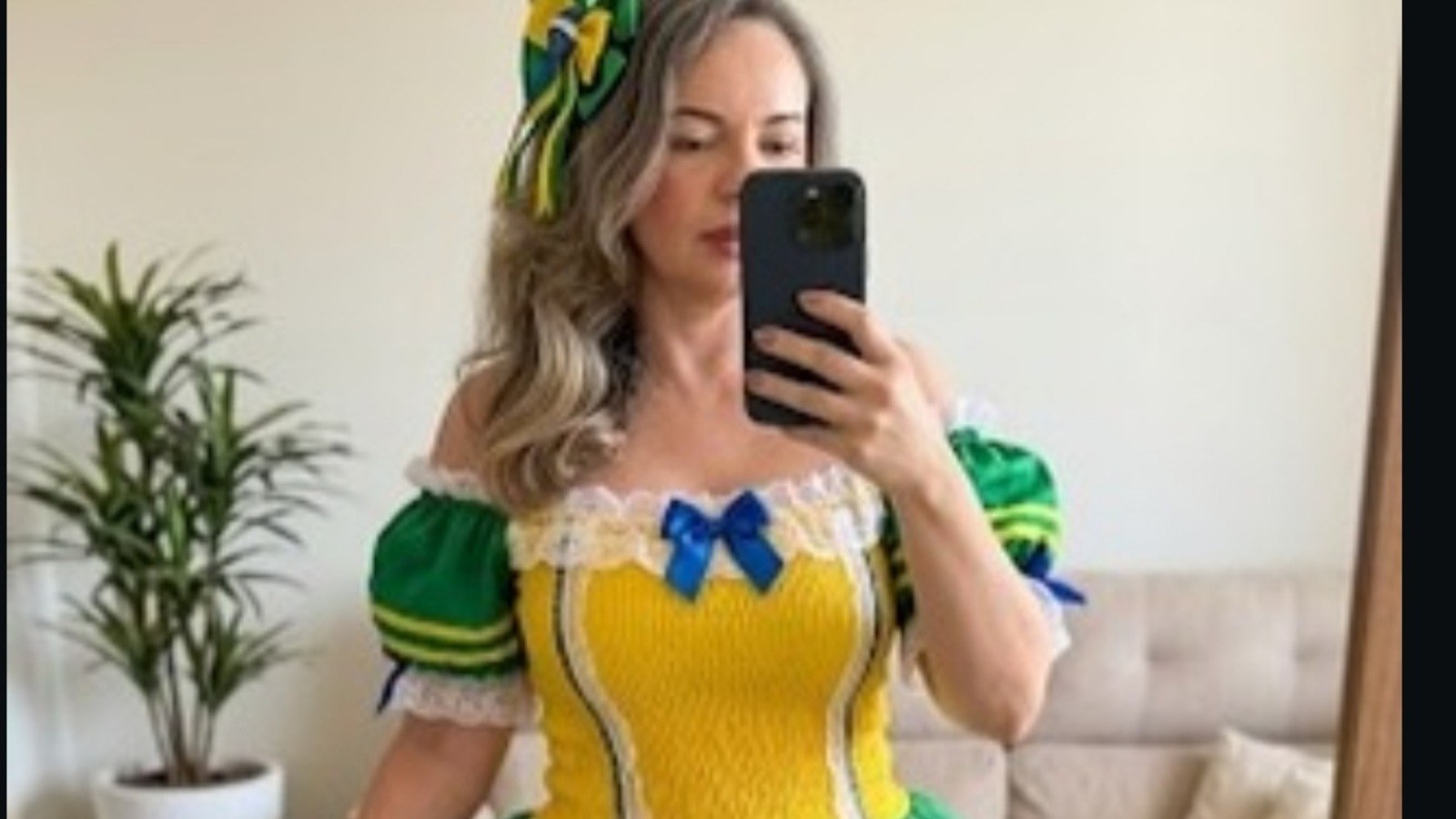

Pessoas_grid16

Imagem do prompt Pessoas_grid16
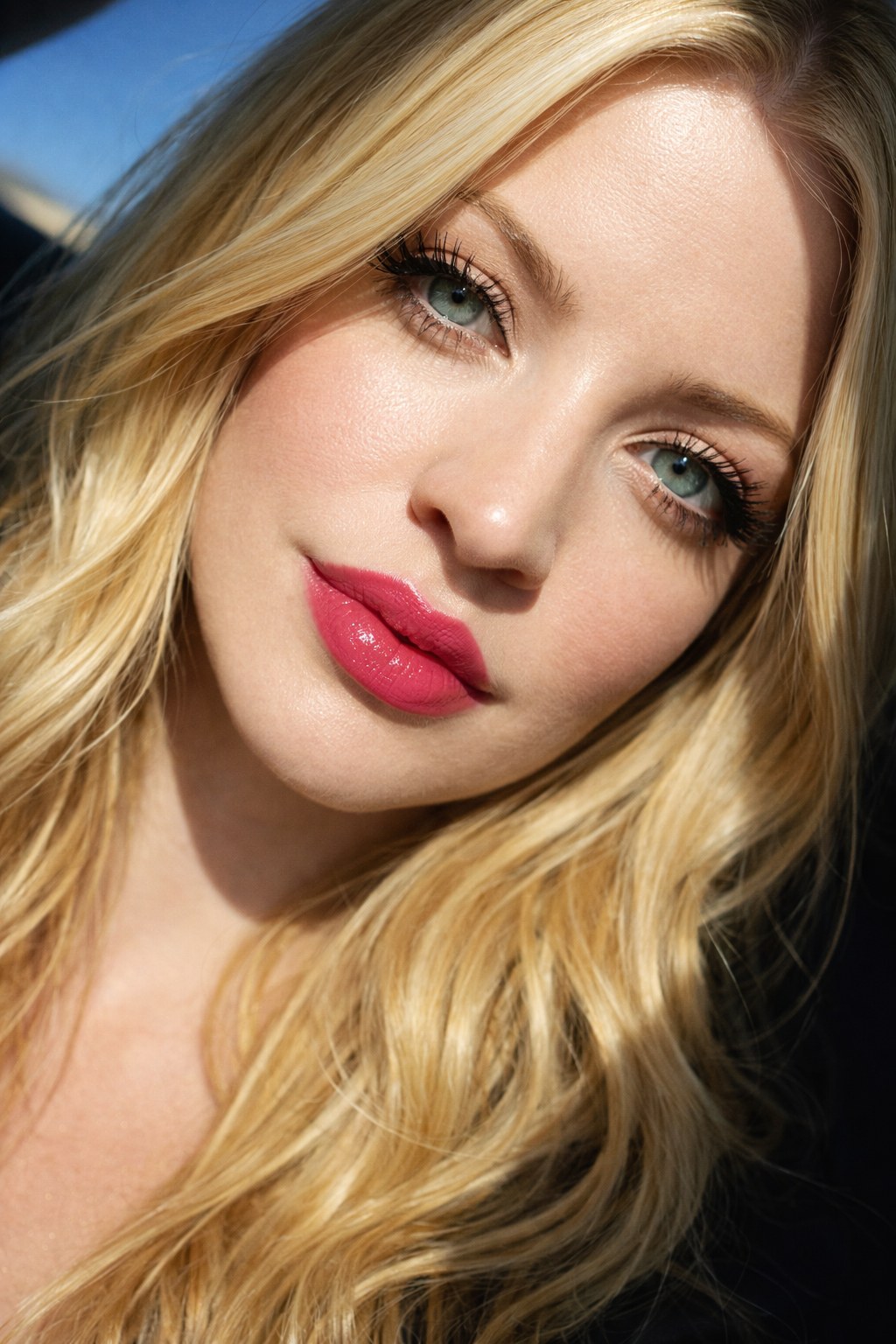
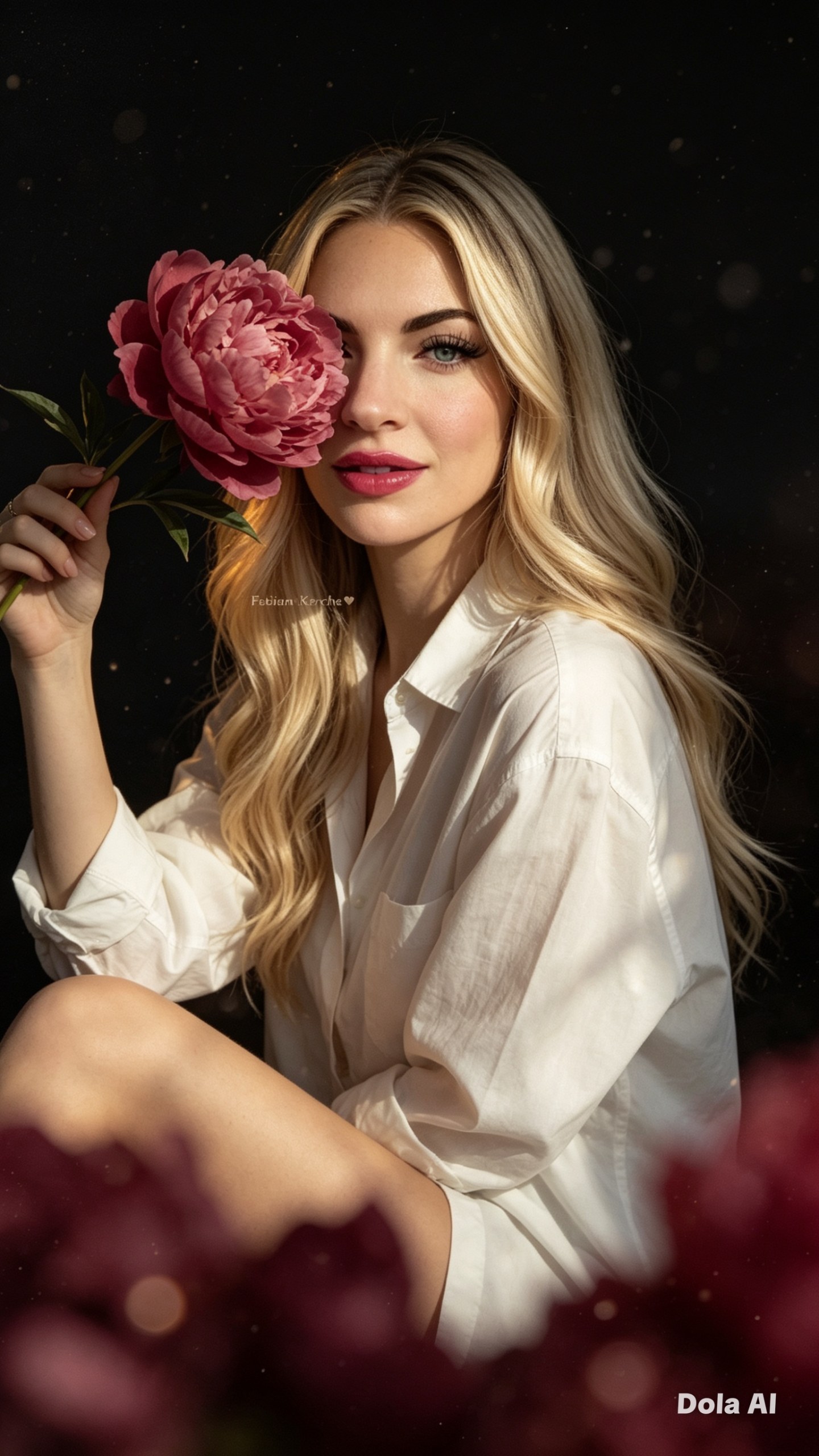
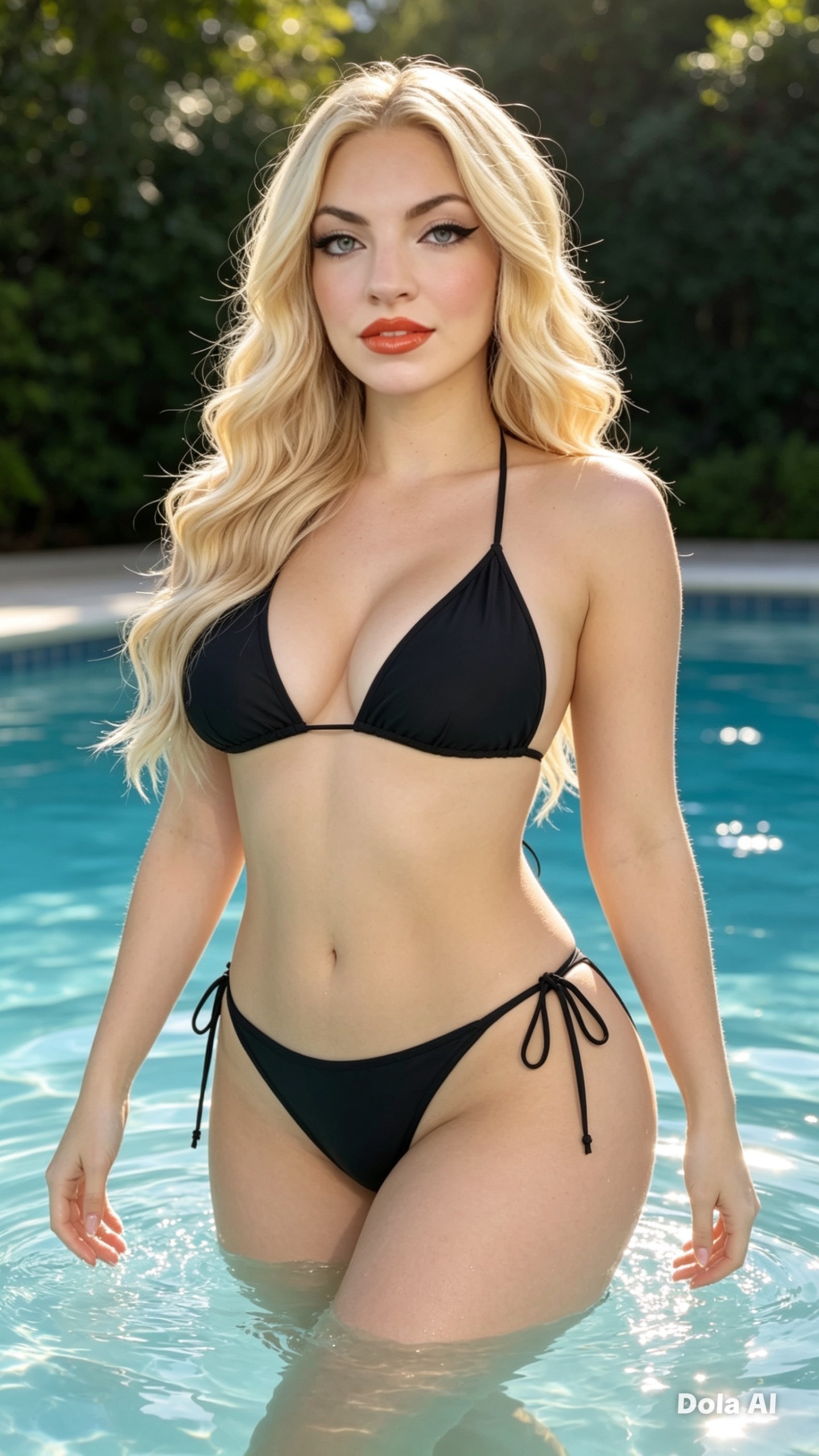
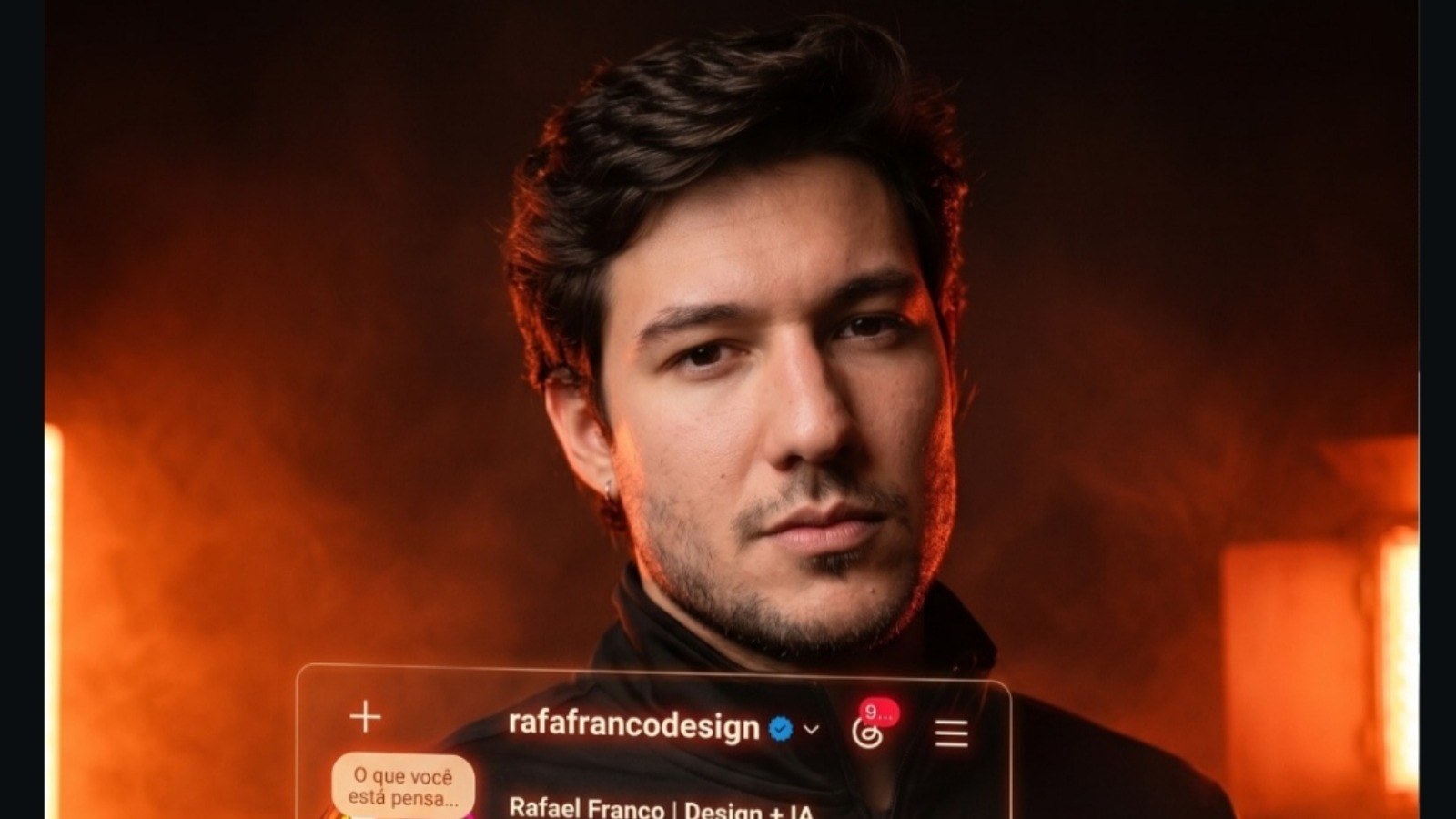
Use the uploaded photo as the primary visual reference. The main person in the image must appear with 100% identical identity in all generated frames: same facial features and bone structure, same nose, eyes, lips, jawline, cheekbones, forehead, hairstyle shape and hairline, same gender and age impression. Do not change the gender or make the face younger or older. Preserve the exact facial expression style and all unique details such as moles, freckles, scars, wrinkles and skin texture. Match the skin tone in every frame precisely to the skin tone in the reference photo, with the same overall contrast, highlight placement and color balance. First, analyze the entire composition of the uploaded image: identify all key subjects present (person or people, vehicles, objects) and their spatial relationships and interactions, as well as the environment (interior/exterior, architecture, props, background depth). Recreate exactly these same subjects in the same environment and generate a cohesive cinematic contact sheet: a 4x4 grid with 16 different frames. All frames occur in the same place and moment, with the same characters and props, but from different cinematic camera setups. The 16 frames must all be distinct from one another, each a clearly different camera angle or framing, using adapted cinematic shot types that fit the content: several wide and medium‑wide establishing shots showing the full environment and subject placement; multiple medium and medium‑close shots showing the main person and any other subjects interacting; different close‑ups and extreme close‑ups emphasizing the main person’s face, hands, or important objects; over‑the‑shoulder, profile, high‑angle and low‑angle shots where appropriate, always keeping the same subjects and environment coherent. Every one of the 16 images must: preserve the main person’s identity exactly as in the reference, with consistent face, skin tone, hairstyle and expression family; keep clothing type, colors and materials consistent with the original image; maintain the same environment, props and background architecture, only changing angle and distance; use the same color grading and visual look across all frames, replicating the mood and processing of the original photo; avoid any AI artifacts such as duplicated limbs, warped faces, inconsistent lighting or mismatched perspective between frames. Camera, lens and composition Generate a single high‑resolution square contact sheet containing a 4x4 grid (16 frames). The final canvas must be 1:1 (square). Each of the 16 individual frames must also be perfectly square (1:1), arranged in 4 rows by 4 columns, with thin, clean borders or subtle spacing between them. Use a virtual cinema camera with a realistic range of focal lengths: wide shots around 24–35 mm equivalent; medium shots around 35–50 mm; close‑ups around 50–85 mm. Perspective must be physically plausible: changing focal length and distance should change background size and depth realistically, not just cropping. Keep horizon lines and vanishing points consistent with the original environment. Each of the 16 frames must have a clear subject focus (rule of thirds, centered, or leading lines) and a unique composition, not small variations of the same shot. Lighting and color Analyze the lighting from the original photo: direction and height of the key light, shadow softness, color temperature, and any visible light sources. Apply the same lighting setup consistently in all 16 frames: same direction, color and intensity of key and fill light, same shadow depth, same balance of warm and cool tones. Color‑grade all frames identically to match the reference (contrast curve, saturation, overall mood). Skin tones must remain natural and identical to the reference in every shot, adjusted only as they would be in real cinematography when the camera moves. Style and technical details Photorealistic, cinematic style, with 8K‑level detail across the full contact sheet, then scaled as needed. Natural depth of field: deeper focus in wide shots, softer backgrounds in close‑ups, always believable for the simulated focal length and aperture. No cartoon, anime, illustration or obvious CGI look. The final result should look like a professional 4x4 cinematic contact sheet captured on set: 16 different frames from the same scene, same cast, same location, same lighting, through different lenses. Negative prompt no change of identity, no different face, no wrong skin tone, no gender change, no age change, no beauty‑filter skin, no plastic or over‑smoothed skin, no cartoon, no anime, no painting or illustration style, no 3D render look, no unrealistic bokeh, no fisheye or extreme wide‑angle distortion, no impossible camera angles, no extra people, no missing key subjects, no change in clothing color or environment layout, no mismatched color grading between frames, no text overlays, no logos, no watermarks, no heavy noise or pixelation, no motion blur on faces, no duplicated limbs, no deformed hands, no inconsistent lighting direction from shot to shot.
← Voltar para a biblioteca