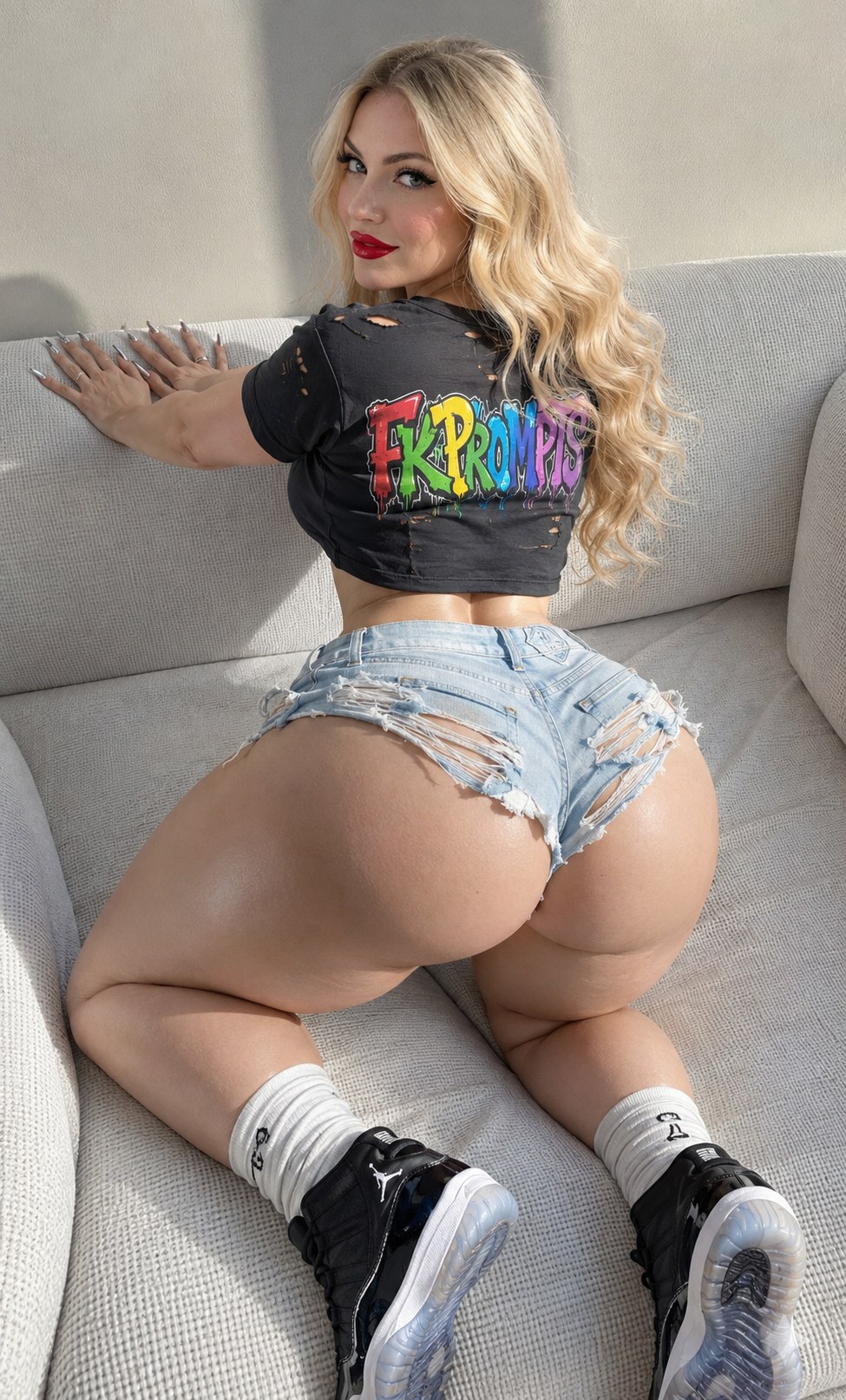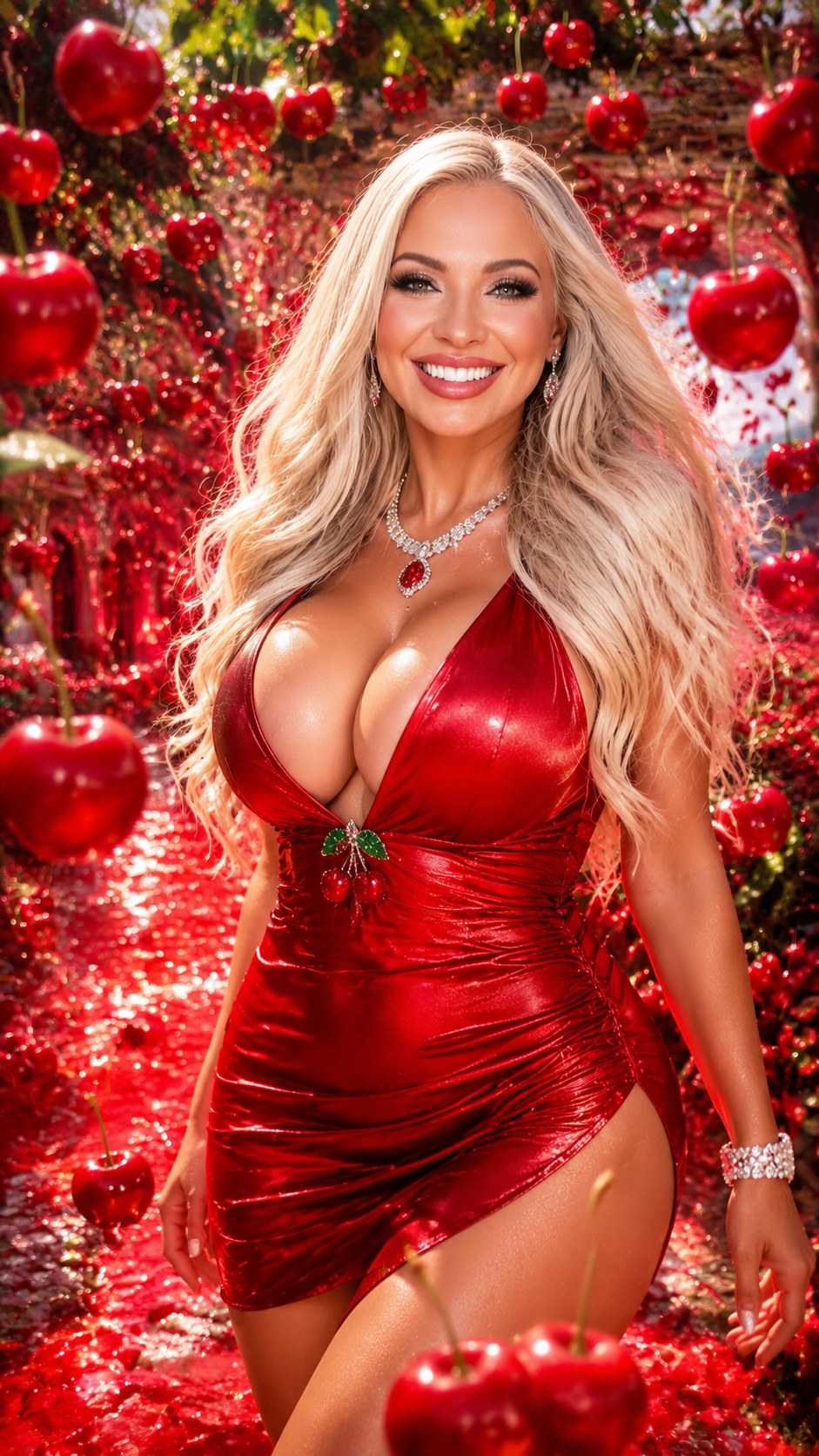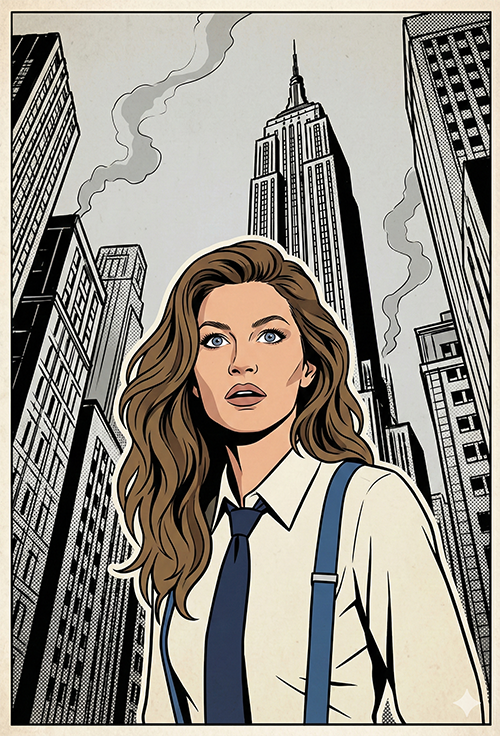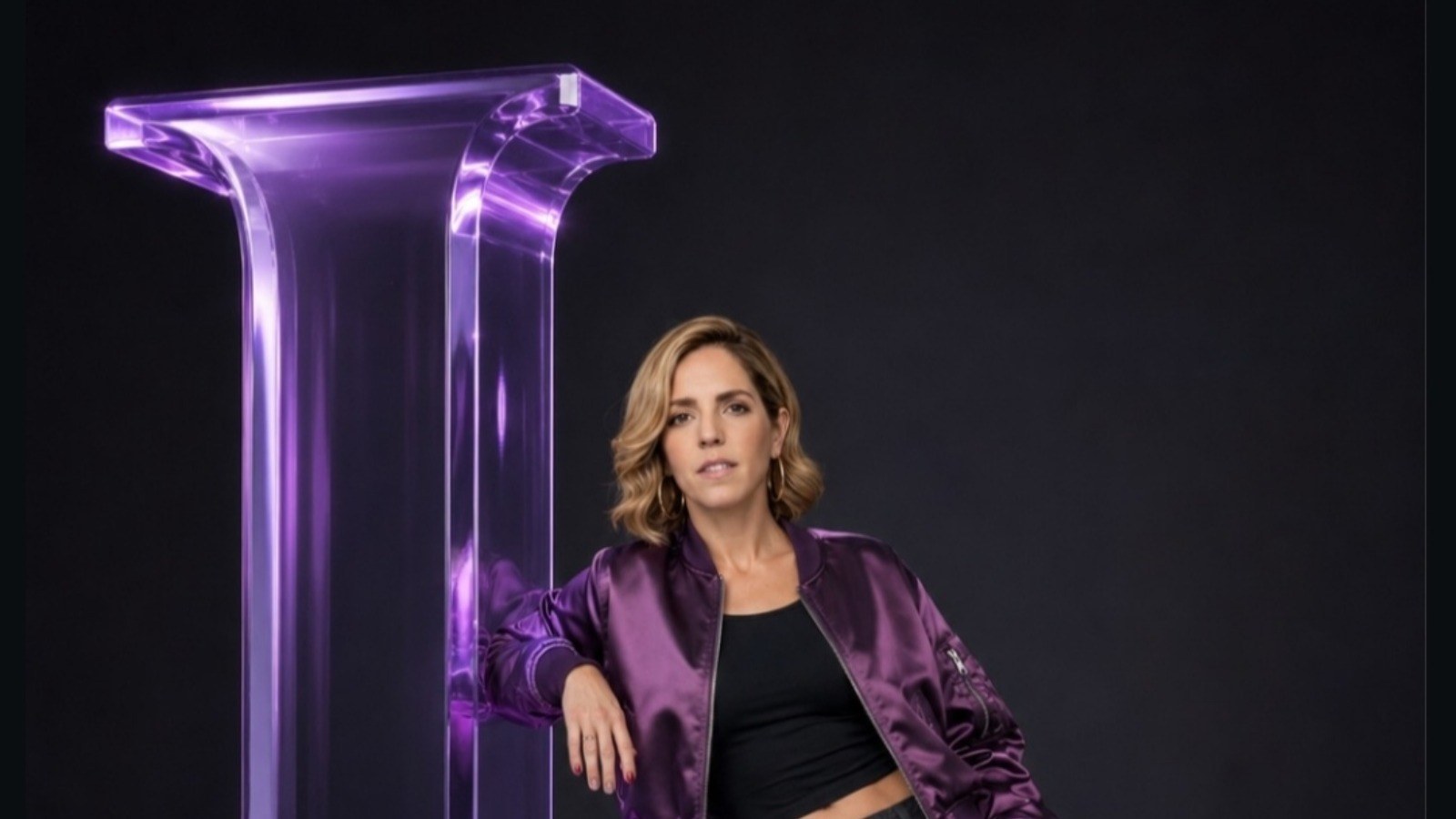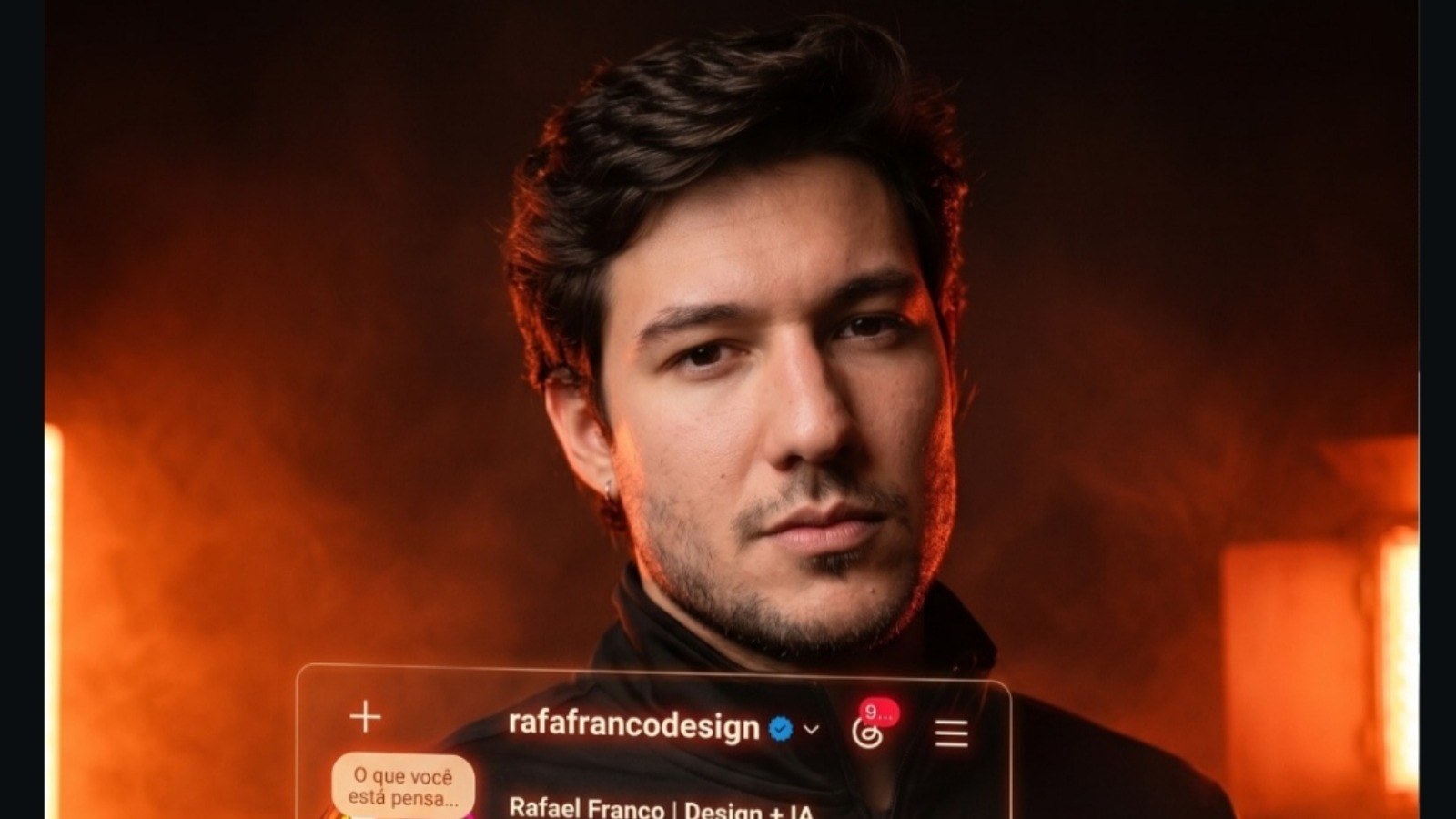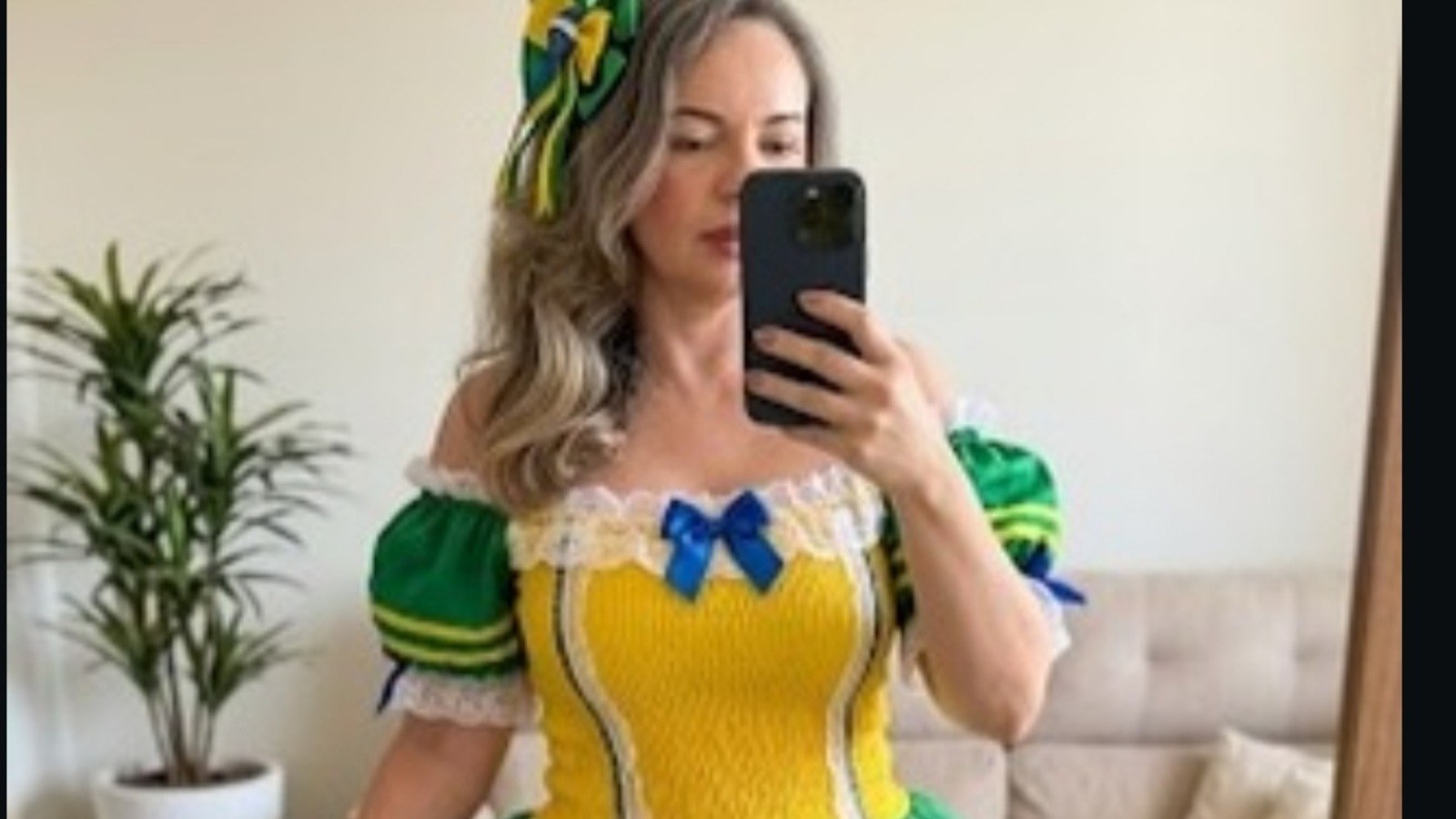

Use the attached person photo as the identity reference and preserve 100% of the person’s facial features, proportions, bone structure, skin tone, hair style and gender. The portrait must clearly show the same person from the uploaded photo, only translated into this mixed‑media illustration style. Do not change the person’s gender, perceived age, face shape or ethnic traits, and do not replace the face with another person. Keep the same camera angle, framing and crop as in the reference example image.
Create a contemporary mixed‑media portrait illustration that combines expressive, hand‑drawn lines with bold yet restrained color blocking. Build the face and figure using loose, faint pencil and ink lines that remain visible and imperfect, including construction marks, overlaps and small corrections. Layer on angular brushstrokes and faceted planes of paint to describe the planes of the face, neck and clothing, balancing realism with abstraction.
Use an understated, subdued color palette dominated by warm browns, ochres, soft grays and desaturated skin tones. Avoid pure, saturated colors; keep everything earthy and muted. The textures should feel raw and tactile, as if drawn and painted on rough kraft paper or cardboard, with visible grain, smudges and uneven edges.
Lighting is subtle and natural, emphasizing the structure of the face rather than glossy polish. Shadows are soft and gently modeled, with no harsh highlights or dramatic contrast. The background is the original brown cardboard surface, clearly visible around the portrait, with an intentionally unfinished impression toward the bottom where the drawing tapers off or fades into the bare material.
Overall aesthetic: intimate, honest and emotionally grounded mixed‑media artwork—part sketch, part painting—that preserves the real person’s identity while adding expressive, hand‑crafted texture and abstract geometry, always maintaining the same crop and angle as the example image."