
Rosto_arte_telaescorrendo

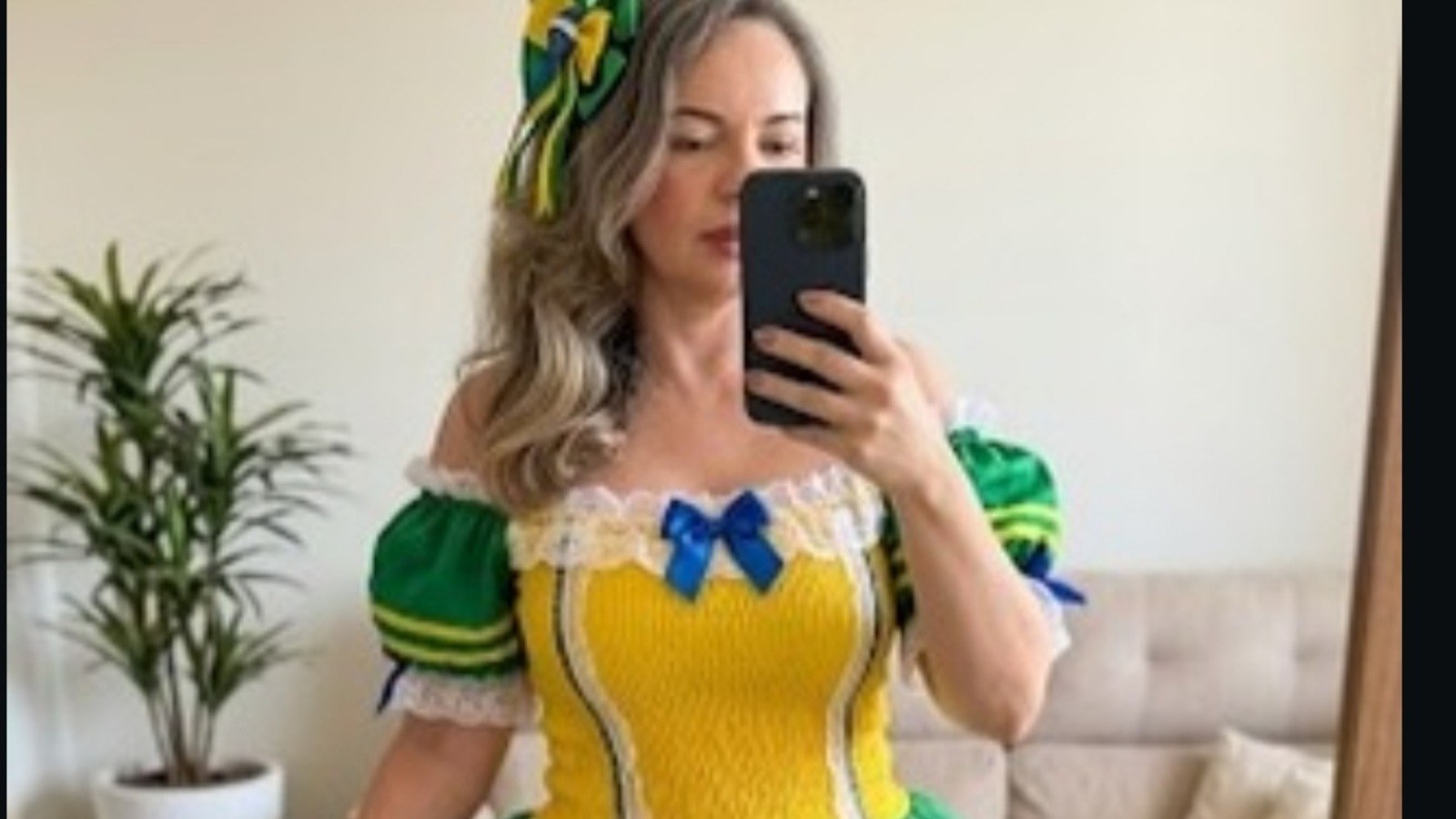
Imagem do prompt Rosto_arte_telaescorrendo
Use the uploaded image as the only identity reference. Identity lock – face, hair, gender (100% from photo) Keep the exact same face and likeness from the reference photo, preserving 100% of facial structure and proportions in the painted portrait. ​ Maintain the same eye shape and distance, nose, lips and mouth shape, jawline, cheekbones, chin, ears, apparent age, skin tone family, and gender expression exactly as in the original. ​ Preserve the same hairstyle family (length, volume, silhouette, hairline, parting) translated into brushstrokes, but not redesigned or stylized into a different cut. ​ The casual clothes in the painting should follow the style and general fit of the original photo (or simple neutral casual wear if not visible), without changing body type or gender presentation. ​ Core scene – portrait on easel Show a painted portrait of the user’s face on a canvas placed on an artist’s easel in a dark, quiet room. ​ The portrait should be the main focal point, framed in a medium shot so the canvas and easel dominate the composition. ​ Melting and blending paint The colors on the painting are melting and blending naturally downward, with paint drips flowing from facial features and clothing areas. ​ Drips should look like real gravity‑pulled oil or acrylic paint, creating trails and rivulets that distort the lower parts of the portrait while keeping the facial identity still readable. ​ Let some areas of color softly bleed into each other, giving a sense of emotional dissolution and sadness. ​ Lighting, room, and mood Set the scene in a dark, quiet room with dim, moody lighting and deep cinematic shadows. ​ Use a single main light source (like a side lamp or soft overhead light) that gently illuminates the canvas and easel, leaving the rest of the room in partial shadow. ​ Add soft focus and blur in the background so the room remains atmospheric but not distracting, emphasizing depth and introspection. ​ Wilted flowers and rain Scatter some wilted or withered flowers around the base of the easel or on a nearby small table, petals fallen and stems drooping, reinforcing the melancholic feeling. ​ Show a window in the background with rain streaking down the glass; outside scenery should be blurred and indistinct, focusing on raindrops and reflections. ​ Allow faint reflections or light from the rainy window to subtly interact with the room’s shadows, without overpowering the canvas lighting. ​ Brushwork, texture, and focus Render the portrait with hyper‑realistic brush strokes: visible texture, layered paint, and fine detail on the face, especially around the eyes and expression. ​ The paint drips should integrate with these brush strokes, creating an emotional, expressive effect that suggests tears, dissolution, or fading memory. ​ Keep the face and central area of the canvas sharper and more detailed, while the background and room are softer with gentle bokeh and blur. ​ Emotional tone Overall mood: melancholic, sorrowful, introspective—like a quiet moment of grief or emotional exhaustion captured in a studio at night or late evening. ​ The composition should feel cinematic and contemplative, inviting the viewer to interpret the sadness and personal story behind the melting portrait and wilted flowers. ​ Negative prompt – avoid Avoid cartoon, anime, flat graphic style, or bright cheerful colors; keep it painterly, realistic, and moody. ​ No text, logos, or extra design elements in the image; no exaggerated horror or gore, just emotional sadness and subtle darkness. ​
← Voltar para a biblioteca