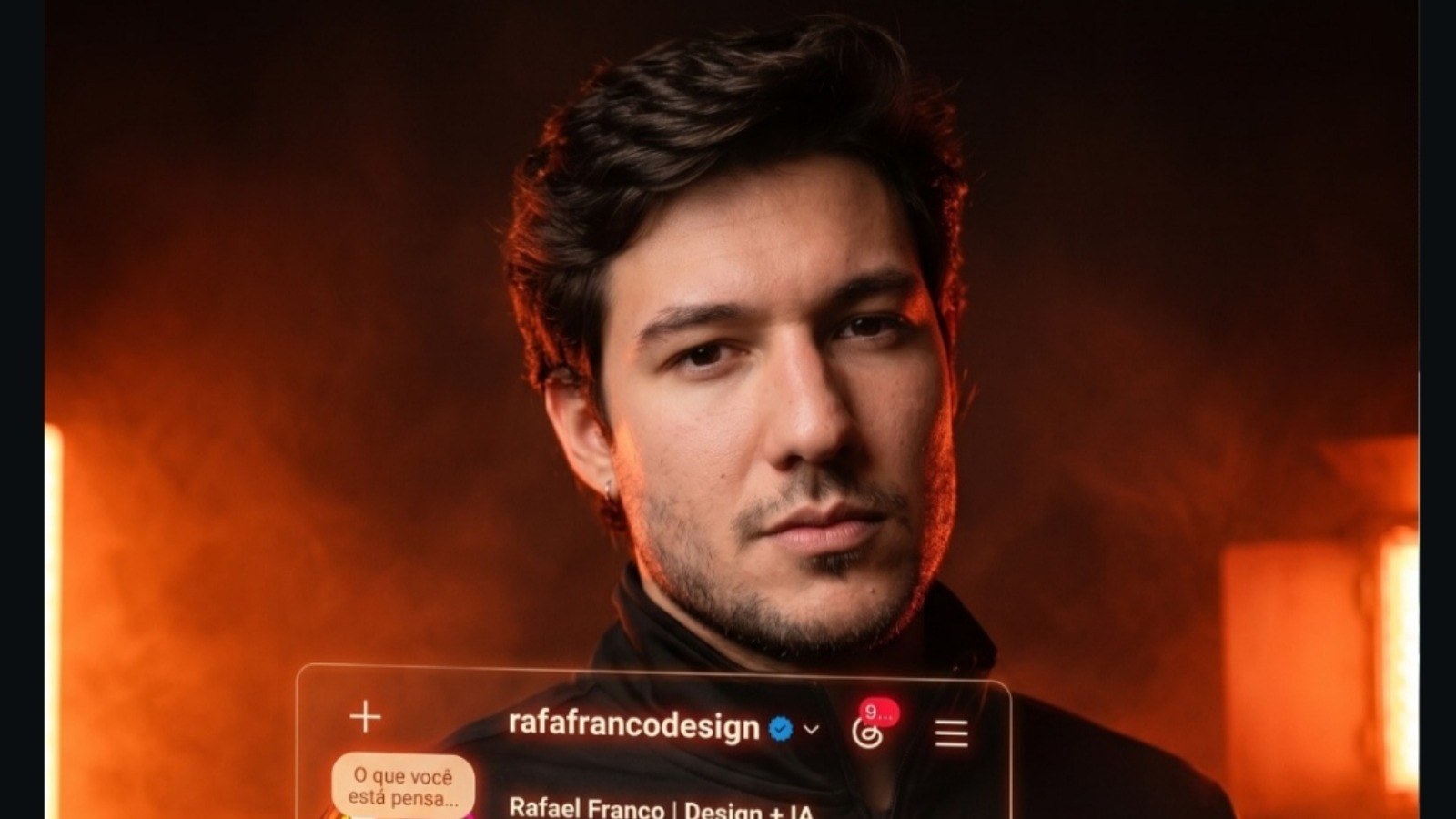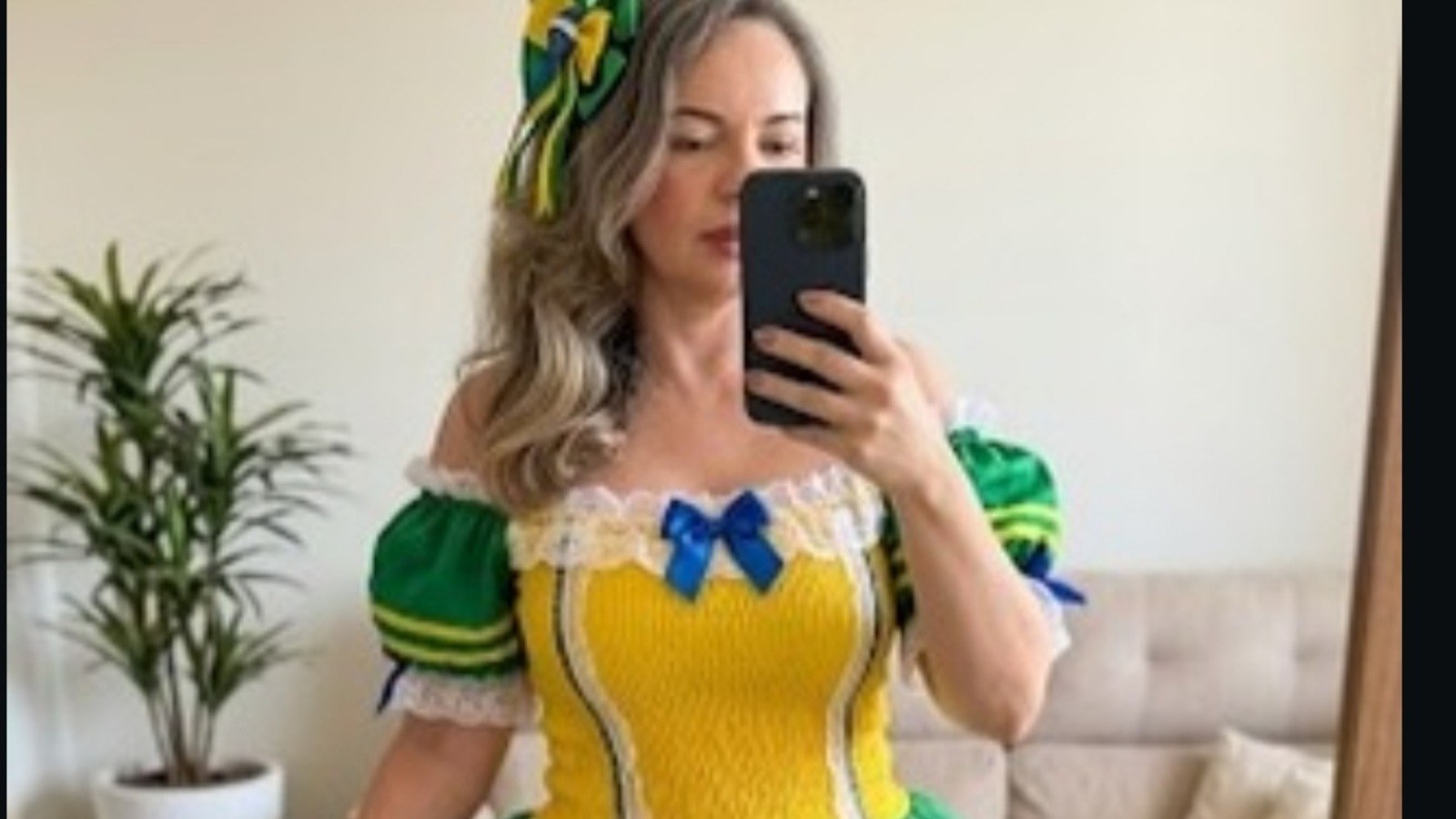
Rosto_arte_uploaded reference photo only subject

Imagem do prompt Rosto_arte_uploaded reference photo only subject
Use the uploaded reference photo as the only subject reference and keep the person 100% identical to the original image. Maintain the exact same facial features, face shape, bone structure, nose, mouth, lips, eyes, eyebrows, jawline, ears, skin tone, hairstyle, hairline, hair length, hair texture, beard or facial hair, and gender presentation from the reference photo, with no changes to identity or anatomy. All identity-related details must stay exactly the same as in the input photo. ​ Transform this same person into a dynamic digital painting portrait using the same abstract, angular brushstroke style as the example image: a semi-abstract bust portrait with the face kept realistic and recognizable, while hair, beard, and clothing dissolve into sharp, layered, geometric brush strokes. The painting should look like fragmented planes of color and texture, made of overlapping strokes, shards, and splinters, especially in the hair, beard, shoulders, and jacket, with small paint splatters and loose sketch lines around the silhouette. ​ The portrait should be framed from chest or shoulders up, centered, on a clean light background (off-white or very pale gray), with plenty of negative space around the person. Clothing should follow the reference photo (for example, a dark jacket), but translated into angular blocks of color and rough painterly shapes, with edges that feel cut, broken, and stylized. ​ Brushwork style: use chunky, faceted strokes that overlap in different directions, creating a sense of motion and texture; some strokes should extend beyond the body contour into the background. Mix opaque strokes with a few semi-transparent layers, and add scattered ink splatters or tiny dots around the hair and shoulders to suggest energy and spontaneity. ​ Color palette: stay close to the real colors of the reference (natural hair tones, natural skin tones, realistic clothing colors), but break them into multiple tonal variations. For hair and beard, use layered browns, blonds, and neutral grays; for clothes, use deep blacks, charcoals, and muted browns, always expressed through broken, angular strokes. ​ Lighting should be soft and natural, like diffused studio light, keeping the face clearly readable, with realistic shading and subtle highlights on the forehead, nose, cheekbones, beard, and hair. Let the lighting fall off more abstractly in the fragmented areas, where depth is suggested more by overlapping strokes and value contrast than by smooth shading.​ ​ Overall mood: modern, artistic, and slightly cinematic, like a contemporary gallery portrait that blends realism and abstraction. Ultra high resolution, clean composition, realistic proportions, no distortion, and a strong graphic silhouette that resembles the attached style. ​​ Negative Prompt (recommended): Different person, changed face, altered age, changed hairstyle, gender swap, caricature, exaggerated facial features, anime style, manga, chibi, cartoon, comic-book inking, 3D CGI look, plastic skin, oil painting impasto, flat vector art, cell shading, low detail, low resolution, blurry, out of focus, noise, glitches, text or logos on the background, busy backgrounds, strong patterns, complex scenery, extreme lighting, harsh color grading, neon colors. ​
← Voltar para a biblioteca