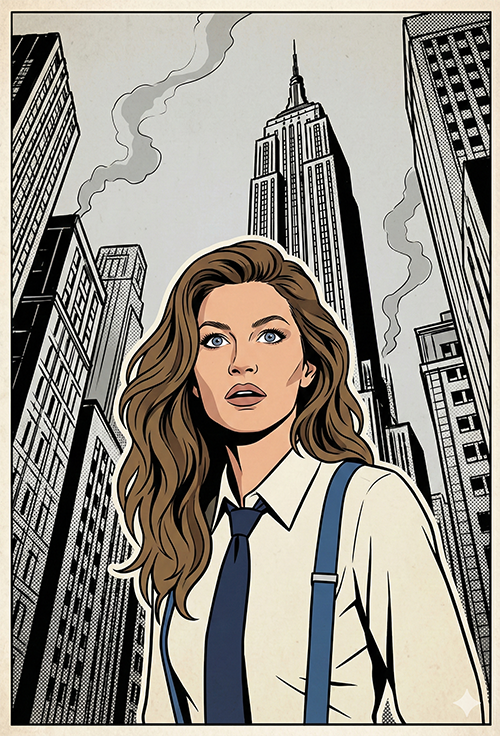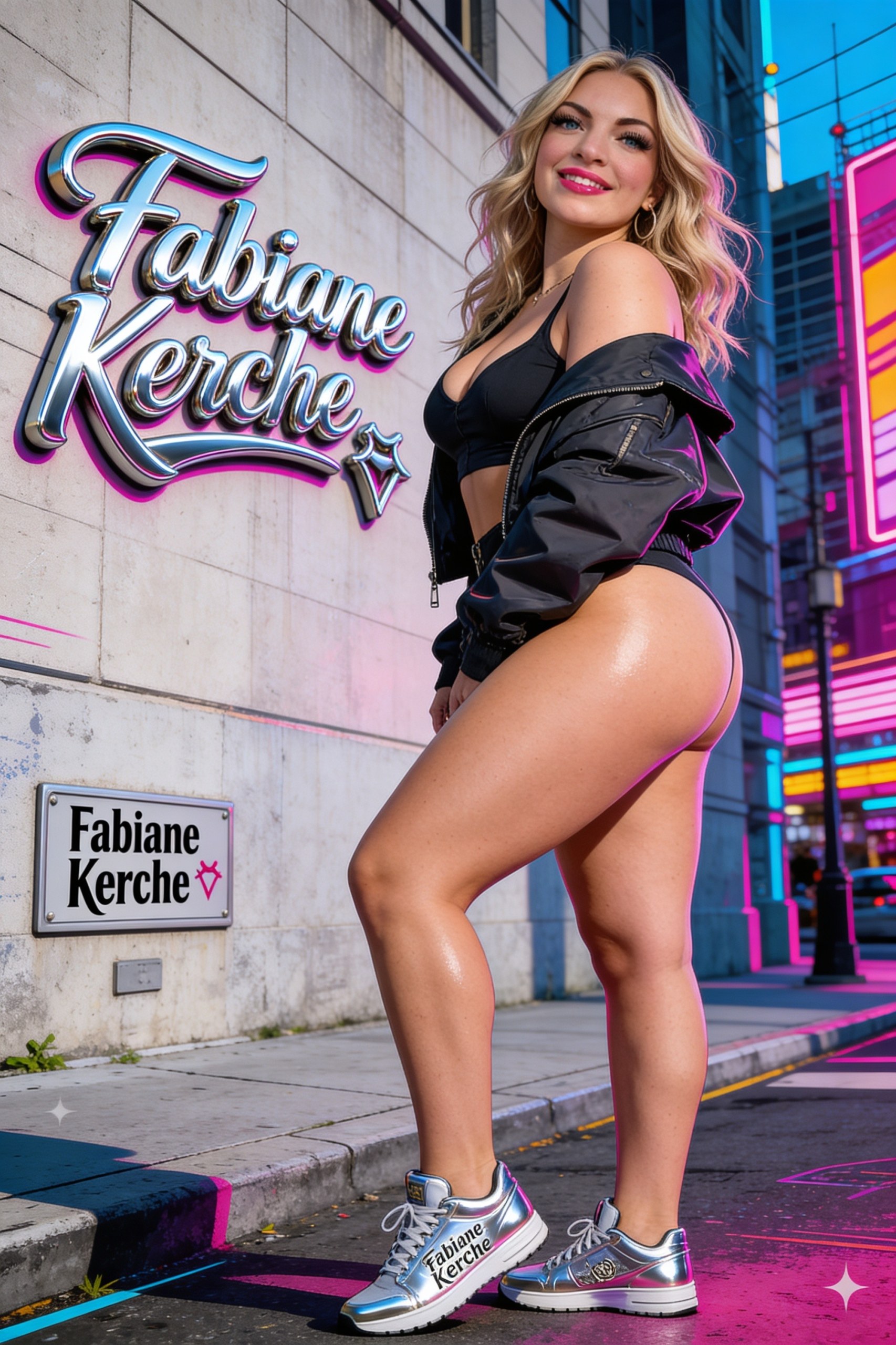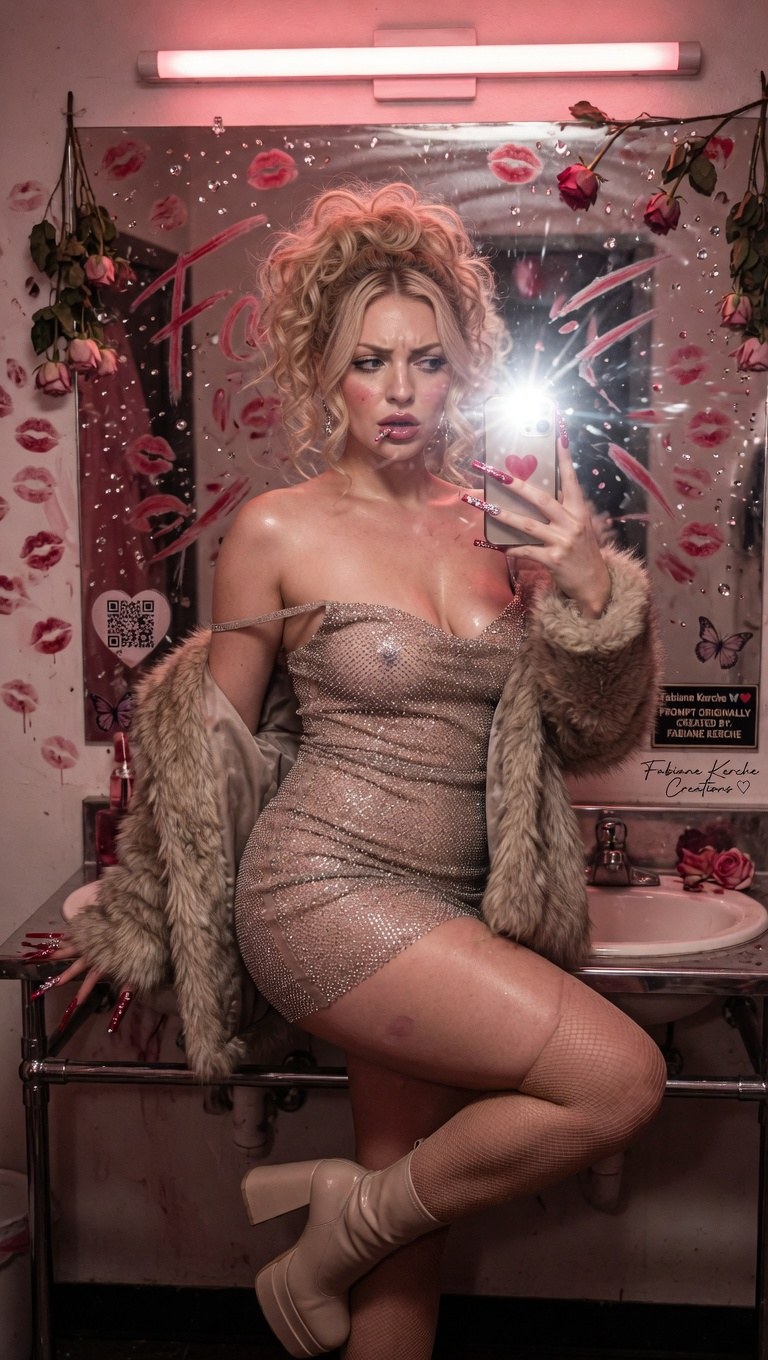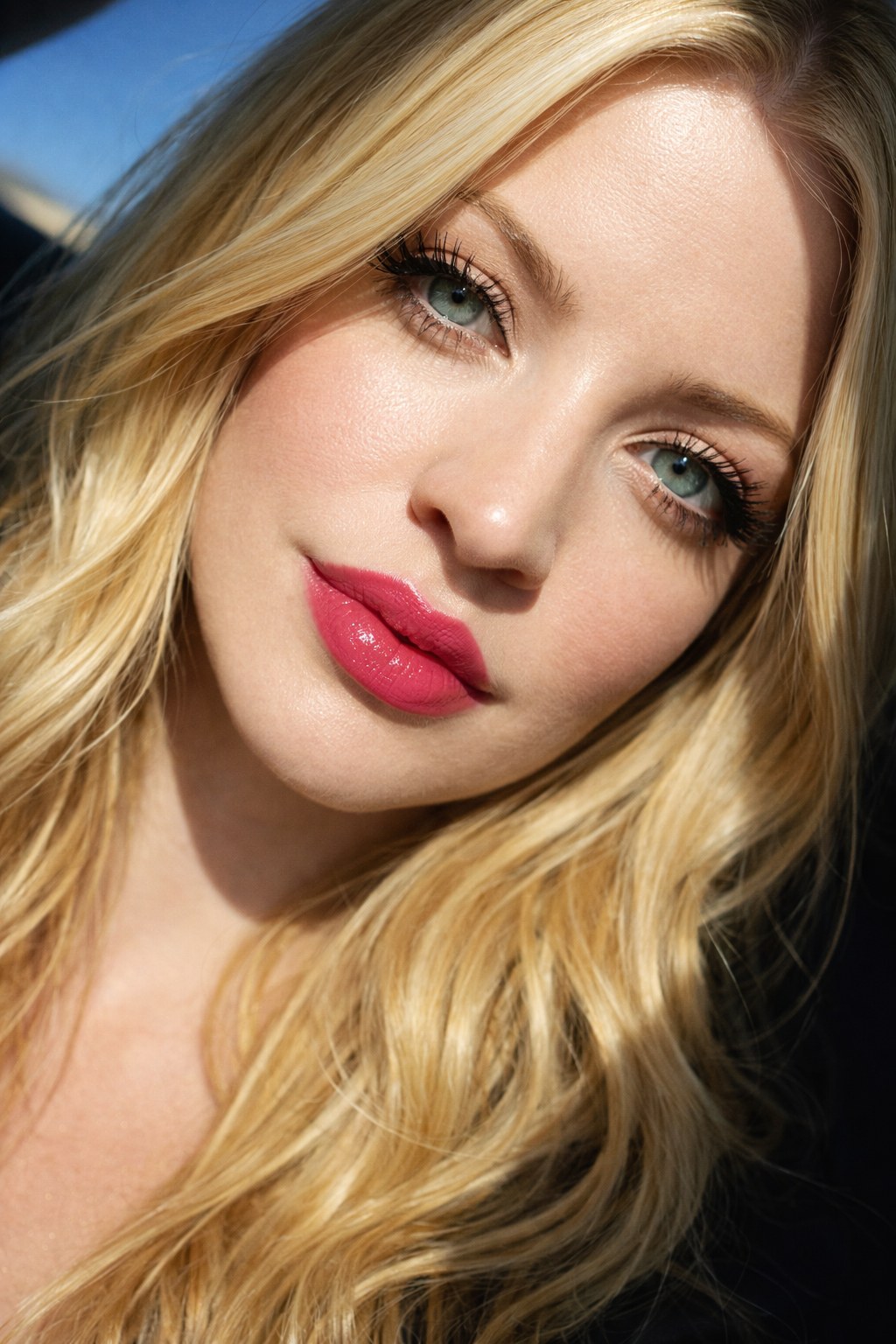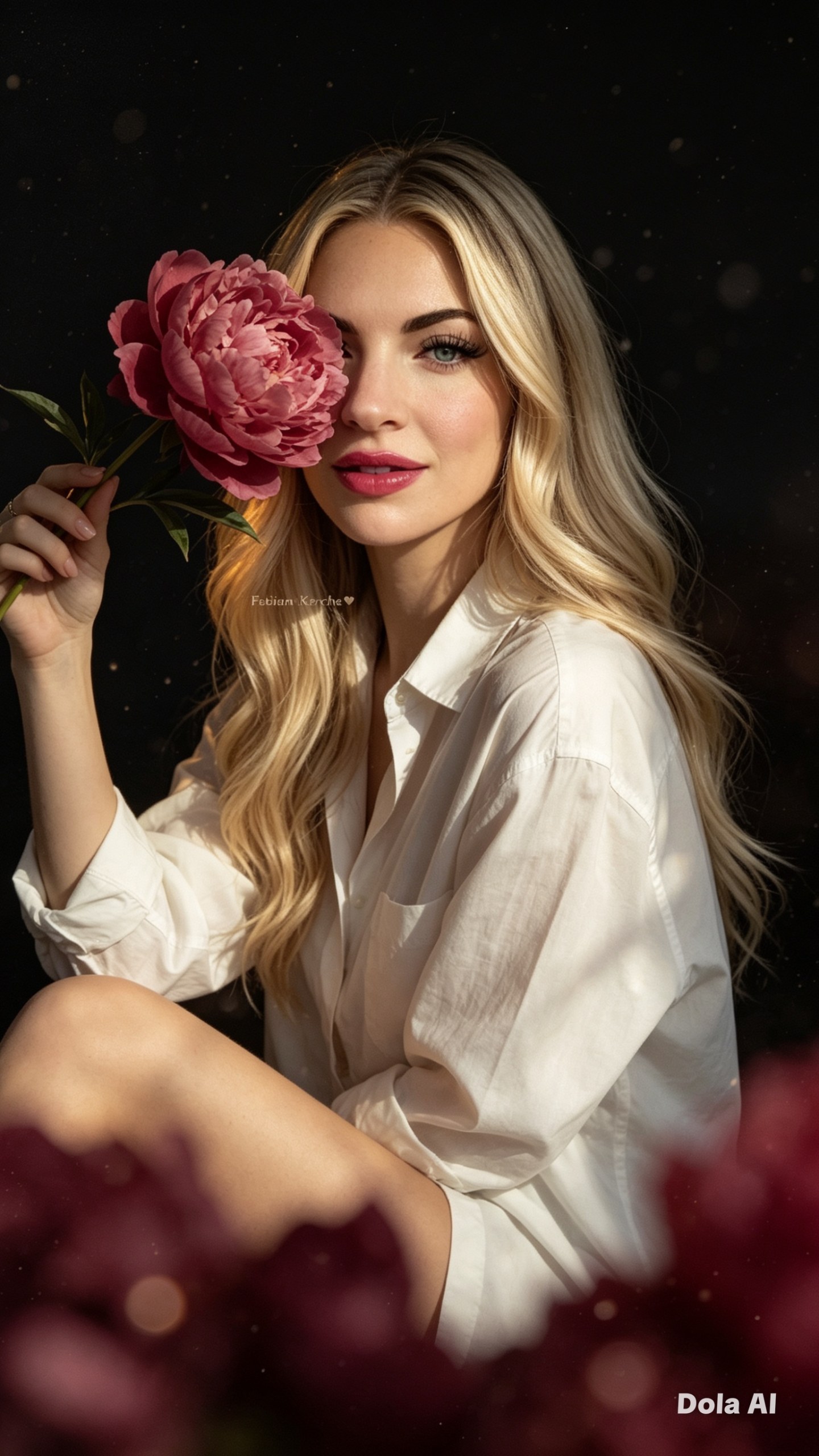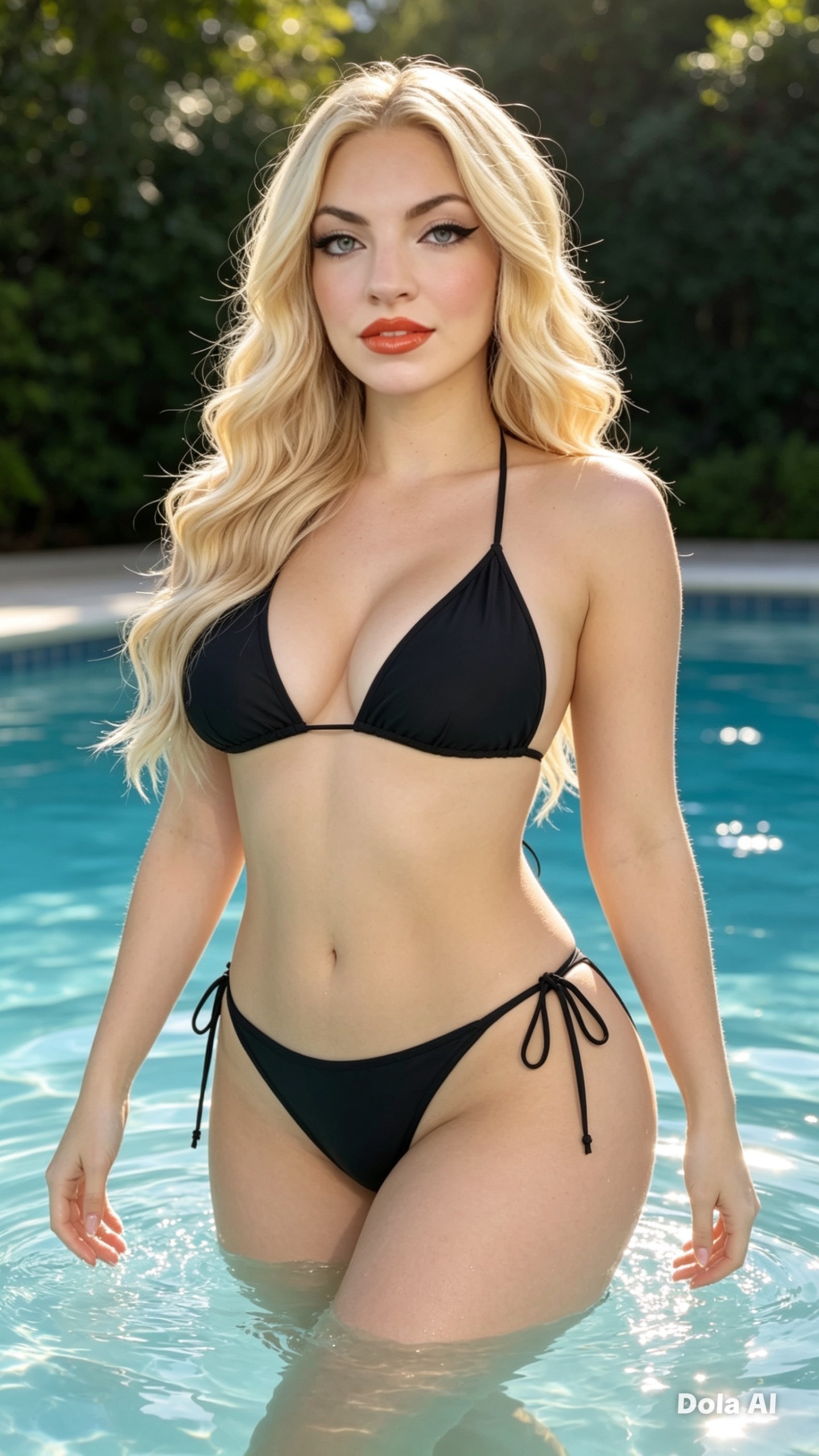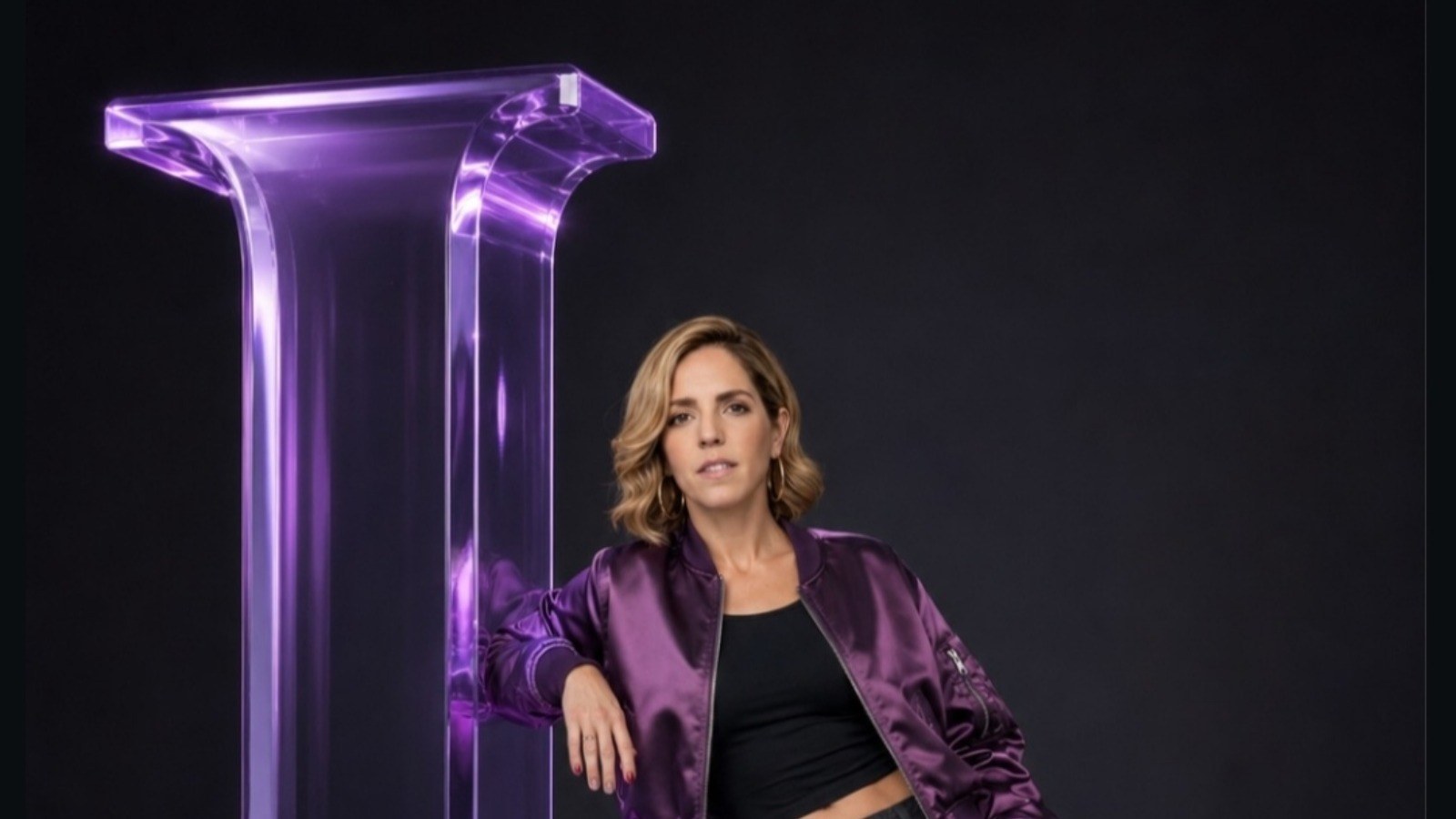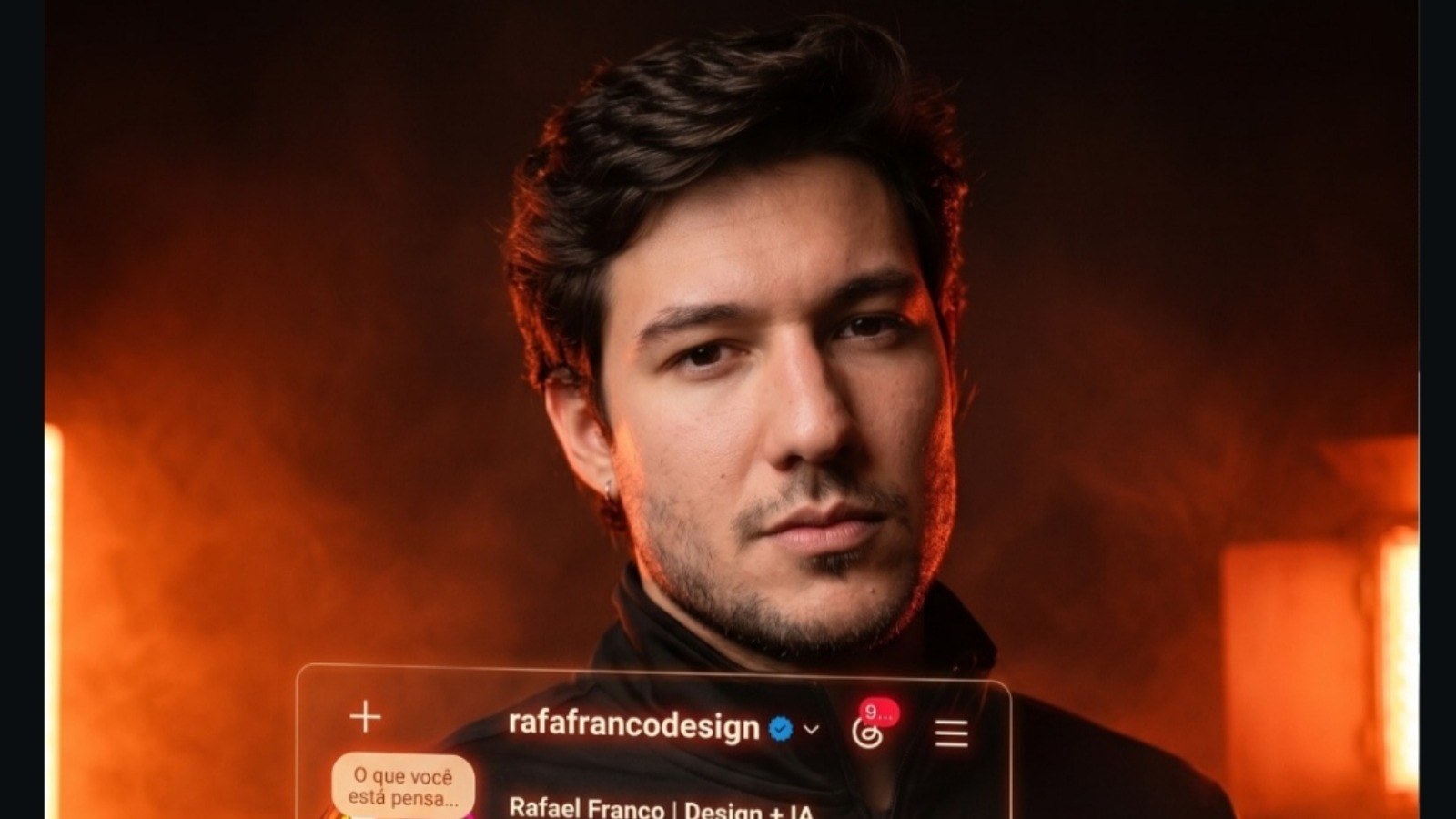

Rosto_criativo_using uploaded photo primary face

Imagem do prompt Rosto_criativo_using uploaded photo primary face
Using the uploaded photo as the primary face and character reference, keep the person’s identity 100% identical to the reference: same facial features, bone structure, skin tone, gender, apparent age, hairstyle shape and overall facial proportions. Do not change the person’s gender or make the face look younger or older. Preserve the exact facial expression, nose, eyes, lips, jawline and any unique marks such as moles, freckles, scars or skin texture. Use the exact same hairstyle, hair volume and hair direction as in the reference photo, with the hair behaving and flowing in the same way. ​ The portrait must be an extreme close‑up zoom of the face, showing only half of the face in frame, cropped tightly so that one side of the face is cut off by the edge of the image. The subject is looking sideways with a horizontal 30‑degree view (slight three‑quarter direction rather than pure profile), matching the orientation of the reference head position as closely as possible. Keep the same head tilt and posture impression from the reference. ​ Transform this into a digital art portrait with a moody and ethereal quality, keeping the same person and hairstyle from the photo but stylizing the rendering. Her skin appears smooth and subtly metallic with a silvery‑white hue, gently reflecting light on the visible half of the face. Her eyes are large and expressive with dark brown irises and long, defined eyelashes. Her lips are full and deep dark‑brown, with soft specular highlights. Use a painterly, textured background with abstract brushstrokes in layered shades of blue, gray and beige, creating a misty, atmospheric environment, but with no distinct objects or shapes. Remove any flower or floral shapes from the scene; the background should stay fully abstract, with no golden‑orange flower visible anywhere. The color palette should combine cool blues and grays with subtle warm golden tones and metallic silver accents, giving a dreamlike, cinematic mood. Lighting should be dramatic and directional, creating strong contrast between light and shadow on the visible half of the face, emphasizing the contours of cheekbone, jawline, nose and lips. Use soft, cinematic rim light along the hairline and edge of the face, with subtle bloom on metallic highlights. Keep the focus extremely sharp on the visible eye and facial features, with a slightly softer, painterly treatment in the background for depth. The artwork should have a painterly, hand‑crafted quality with clearly visible brushstrokes, fine detail on skin and hair, and an overall dreamlike, artistic style rather than pure photorealism. No text, no logos, no extra characters or objects, no frame or border, no change to the person’s identity, expression, hairstyle or pose from the reference. ​ Camera, lens and framing Extreme close‑up portrait, half‑face crop, side view at roughly 30‑degree horizontal angle, matching the reference head orientation. Simulate an 85mm to 105mm portrait lens look with very shallow depth of field, strong separation between the detailed face and the soft, abstract background. Tight framing centered on the eye and visible facial features, with negative space in the direction of the gaze. Lighting style Soft, dramatic studio lighting with high contrast, subtle chiaroscuro, key light coming from above and slightly in front of the subject, gentle fill on the shadow side to keep detail, faint cool ambient light blending into the blue‑gray background, and warm reflections hinted along the metallic highlights of the skin. Style keywords (keep inline) moody ethereal digital painting, extreme close‑up portrait, half‑face framing, visible brushstrokes, high detail in face, cinematic lighting, metallic skin highlights, dreamy atmosphere, cool and warm color contrast. Constraints / negatives (inline, no separate field) no flower, no floral shapes, no extra objects, no text, no captions, no logos, no watermarks, no cartoonish proportions, no anime style, no 3D render look, no flat lighting, no low‑res or blurry artifacts, no changes to facial structure, age, gender, hairstyle, pose, crop or expression from the reference image.
← Voltar para a biblioteca