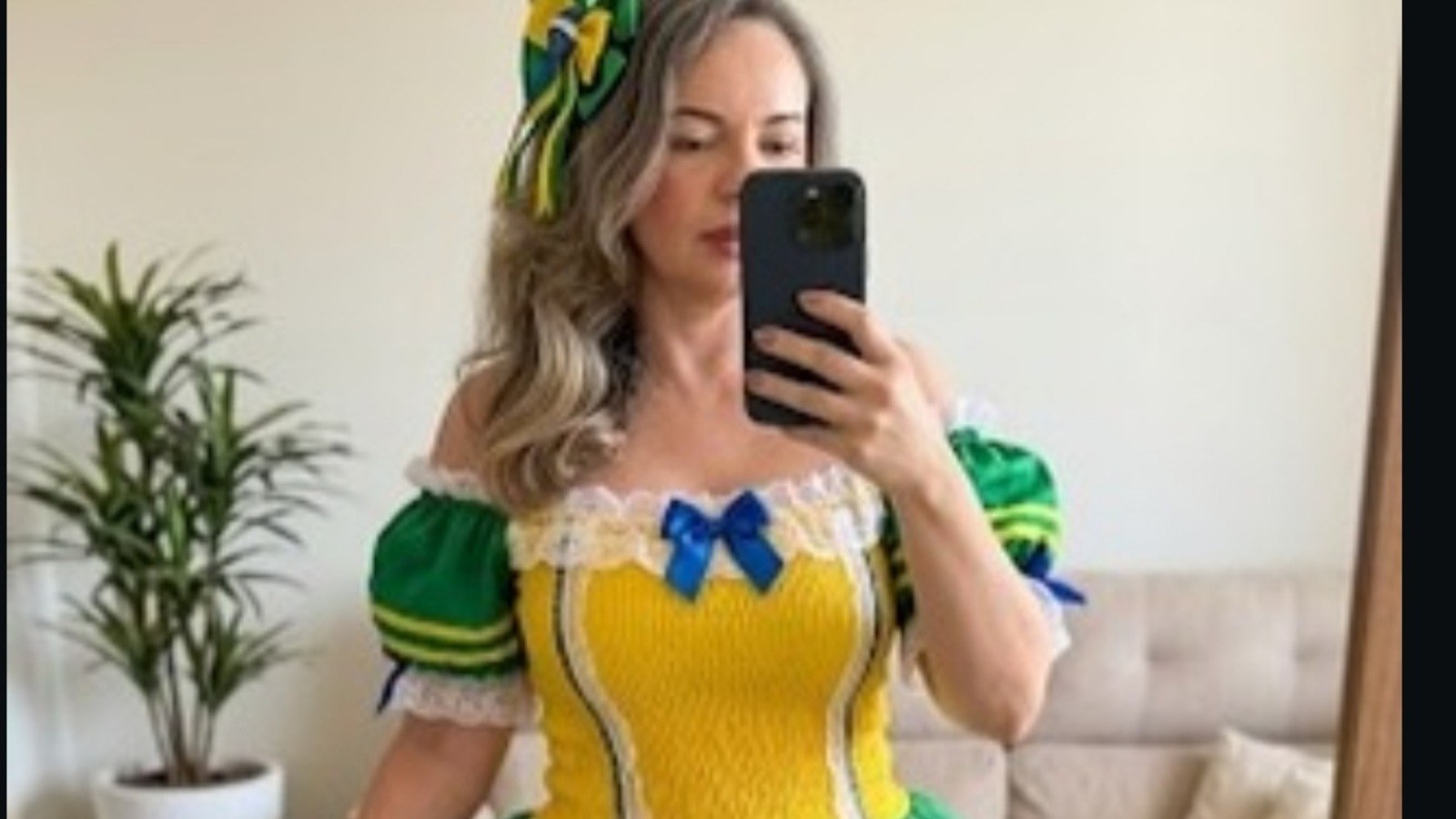

Rosto_desenho_uploaded image single exact identity

Imagem do prompt Rosto_desenho_uploaded image single exact identity
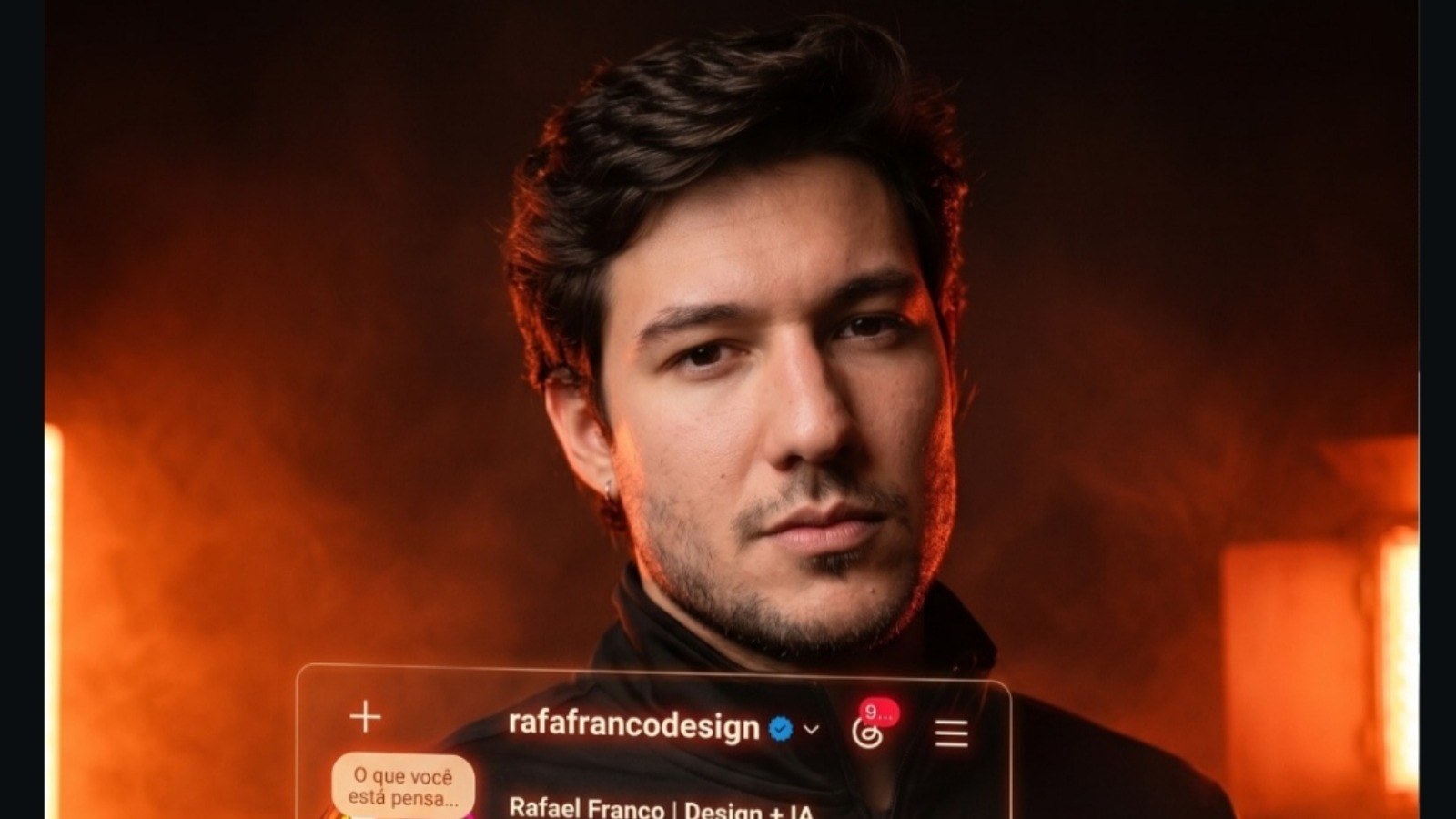
Use the uploaded image as the single and exact identity reference. Preserve 100% of the person’s real facial structure and identity: same skull and bone structure, facial proportions, eye shape and distance, eyelids, eyebrows, nose shape, lips and mouth shape, jawline, cheekbones, chin, ears, and natural face type. Do not change the gender, age category, or ethnicity; do not beautify, slim, or stylize the face into a different person. Keep the same hairstyle family, hair length, hairline position and overall haircut silhouette from the photo; only translate it into the illustrated style without changing cut or gender expression. ​ Goal / action Create a hyper‑realistic, intricate and soft‑textured biopunk portrait illustration of this man, in exactly the same pose as in the uploaded photo. The image must look like a page from an ancient inventor’s notebook (Da‑Vinci‑like) merged with science fiction and musical blueprints. ​ Style & medium The entire artwork should resemble traditional mixed media on old paper: Transparent and stained watercolor washes for soft tones and blotches. Fine colored pencil shading with cross‑hatching for modeling volumes. Sepia ink lines for contours, diagrams and handwritten notes. The paper must look aged, fibrous and worn, with visible grain, stains and slight edge darkening, like an old scientific notebook page. ​ Subject – portrait and biopunk details The man is shown in the exact same pose as the reference photo (same angle, framing and proportions). Facial likeness must be perfect, with subtle soft shading, cross‑hatching and watercolor glazing to define planes and expression. Biopunk overlays: His head and clothing are integrated with musical note blueprints and music‑score diagrams, using a “screen” or translucent overlay effect. Visible musical scale patterns, staff lines and symbolic maps are drawn across his skin in certain areas (forehead, neck, cheeks, hands), as if annotated directly on his body, without obscuring identity. Background and overlay layers The entire surface of the image (background and partially over the subject) is filled with layers of: Technical sketches and diagrams. Musical blueprints: staves, notes, chords, pitch curves, rhythm grids and formula schematics. Messy yet detailed handwritten notes in sepia ink, in a small, dense script. These technical lines and notes overlap the portrait and clothing, sometimes crossing the face lightly, creating a chaotic yet genius “work‑in‑progress” inventor’s page impression. ​ Color palette Use a muted, earthy color palette with aged baby‑blue sheet music: Paper / sheet music areas: aged baby‑blue tone, like faded pastel blue that has yellowed slightly over time, with visible rips, tears and worn edges showing age and handling. Base accents: sepia, rust brown, cream and pale yellow for ink, stains and shading. Additional accents: vivid purple and slight golden yellow or orange for key biopunk / mechanical / musical elements and symbols. White is used sparingly for lighting emphasis on the subject’s face, key highlights and selected blueprint lines. Overall saturation is low to medium; everything feels aged, worn and organic, not neon or digital. ​ Rendering and composition Maintain a clear central focus on the man’s face and upper body while allowing diagrams and notes to partially overlap and frame the portrait. Soft edges, watercolor blooms and pencil cross‑hatching create a hand‑drawn softness, while linework and musical structures add precision and complexity. The composition should feel balanced but intentionally busy, like a dense research page from an old biopunk inventor’s notebook. Restrictions / Negative prompt (paste in “Negative Prompt”) Do not change the man’s facial geometry, hairstyle family or gender; no face‑swap or stylized cartoon face. No anime, cartoon, chibi, 3D render, photobash, or flat vector style; keep it as traditional mixed‑media illustration on paper. Avoid modern glossy digital gradients, plastic skin, neon color schemes, or clean UI/tech overlays. No pure blank white background; the paper must always show texture, color and aging. No logos, watermarks, typed fonts, or modern graphic‑design elements; all text must feel handwritten and organic.
← Voltar para a biblioteca